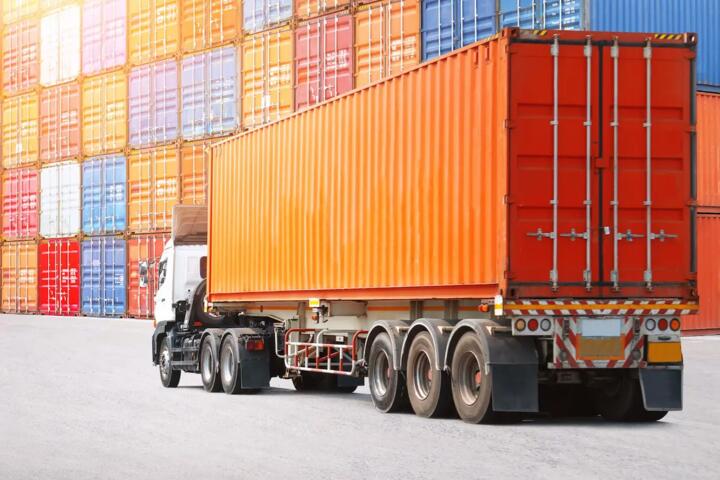
How global shipping works
Global shipping moves goods through a sequence of handoffs: pickup, inland transport, port processing, ocean or air transit, customs clearance, and final delivery. Each handoff depends on documents and data that must match the physical shipment. A container ship often carries thousands of containers, and a single delay at one port can ripple across multiple sailings.
Bill of lading details, container numbers, and customs declarations must align across carriers, freight forwarders, and government systems. When they do not, the shipment can stall at the terminal or be held for inspection. Many routes also face congestion; for example, port dwell time can rise when staffing or yard space tightens, and that changes delivery estimates.
Skip the “one tracking link” fantasy. Tracking usually shows partial visibility.
Workforce and learning trends affect how people enter this field. Logistics roles increasingly require data literacy because teams use shipment event logs, electronic data interchange, and warehouse management systems. Online learning demand has grown for supply chain analytics, customs compliance basics, and operations planning, though completion rates vary widely by course design and learner time.
Skip the “just book a container” idea. The booking is only the start.
Where things break down
People often treat shipping as a single transaction, but it behaves like a chain of coupled systems. A wrong tariff code, a missing certificate, or a mismatched weight can trigger holds. In practice, the data flow moves from shipper to forwarder to carrier, then into port and customs workflows, and finally into delivery planning.
One common failure happens when the commercial invoice and packing list disagree on item descriptions or quantities. Customs systems may flag the shipment for review, and terminals may require rework before loading. Another failure involves container status: a container can be “available” in one system while the yard gate records show it is already assigned to a different move, which creates planning errors.
Assume delays when documents change late. Late changes cost time and money.
Risk also concentrates around specific moments. Port cut-off times, customs processing windows, and carrier documentation deadlines are tight, and missing them can shift the shipment to the next sailing. Weather and labor actions add uncertainty, but documentation problems add a different kind of uncertainty because they require human review.
Skip the “it will clear automatically” hope. Automated checks still need correct fields.
What to do in practice
Map the shipment handoffs
List every party that touches the shipment: shipper, freight forwarder (if used), trucking provider, terminal operator, ocean carrier, customs broker, and last-mile carrier. Then write down what each party needs from you and what they send back. This works because most delays come from missing inputs at a specific handoff, not from the ocean leg alone.
In practice, you can build a one-page “data checklist” with fields like container number, seal number, weight, HS code, and consignee address. Use a spreadsheet with version control; a simple “v3” label helps when you revise documents after a supplier update. I’ve seen teams lose 2 days because a revised packing list replaced the old one without updating the forwarder’s reference number.
Skip the vague handoff notes. They hide the real bottleneck.
Get documents consistent
Align the commercial invoice, packing list, and shipping instructions so descriptions, quantities, and weights match. Confirm that the shipper name and address match the customs-facing records. This reduces holds because customs and terminal systems rely on exact field matches, not interpretations.
In practice, run a “field-by-field diff” before submission. If you use templates, lock the HS code and unit of measure fields so they do not drift when someone edits line items. A small mismatch like “pcs” versus “units” can trigger manual review, and manual review adds days, not hours.
Skip the copy-paste without checks. It creates silent inconsistencies.
Choose routing with constraints
Routing decisions should reflect constraints like transit time, port schedules, and inland access. Compare at least 2 route options when possible, because a single port congestion event can dominate the total lead time. This works because shipping time is not just distance; it includes waiting, cut-offs, and terminal processing.
In practice, ask for a transit-time range and the assumptions behind it. If the estimate says “X–Y days,” request what drives the spread: feeder connections, customs clearance variability, or yard dwell time. A route that looks faster on paper can become slower when it requires a tight inland appointment window.
Skip the single-number ETA. Use ranges and assumptions.
Track events, not just location
Use shipment event logs that show timestamps for milestones like “gate in,” “loaded on vessel,” “departed,” and “customs cleared.” Location alone often lags behind operational reality, especially when a container is still in a yard. This works because event data maps to workflow stages that you can act on.
In practice, set alerts for specific events that indicate risk, such as “customs hold” or “no appointment.” Many teams use a basic dashboard in a spreadsheet plus email alerts, then escalate when the event sequence breaks. If you see “loaded” but no “departed” update after 24–48 hours, you can ask the forwarder for the vessel schedule reference.
Skip the “last scan wins” habit. Event sequences tell the story.
Plan for customs and compliance
Start with the product’s classification and required documents for the destination. Customs outcomes depend on HS codes, country of origin, declared value, and any regulated items like chemicals or dual-use goods. This works because customs systems evaluate shipments against rules that are triggered by those fields.
In practice, confirm who owns the classification decision and how changes get communicated. If your supplier updates a formulation or packaging, re-check the classification and any certificates. A wrong classification can lead to reassessment, penalties, or re-export, and those outcomes can outweigh any savings from a cheaper carrier rate.
Skip the “we’ll fix it later” plan. Corrections often require rework.
Control costs with scenario math
Separate costs into categories: freight, terminal handling, inland transport, customs brokerage, duties/taxes, and potential demurrage or detention. Then model 2 scenarios: on-time clearance and delayed clearance. This works because demurrage and detention can turn a low rate into a high total cost.
In practice, ask for the demurrage and detention terms in the contract or booking confirmation. Use a simple spreadsheet to estimate exposure, such as “days of delay × daily charge,” then compare it to the savings from choosing a cheaper option. If you cannot get the terms in writing, treat the quote as incomplete.
Skip the rate-only comparison. Total landed cost drives decisions.
Use learning paths that match the job
Pick online learning that mirrors the tasks you will do: document review, shipment event analysis, customs basics, or operations planning. Certification can help when it matches a specific employer requirement, but it does not replace hands-on document practice. Portfolio building matters when you can demonstrate workflows, like a redacted sample document set and a checklist.
In practice, create a small study project: take a sample shipment scenario and produce a document pack, a routing plan, and a risk checklist. Use a versioned log of your assumptions and corrections. If you are studying for compliance work, focus on reading official guidance and applying it to realistic examples, not memorizing codes.
Skip courses that grade only quizzes. Real work needs document judgment.
Case examples for learners
Scenario: electronics with late supplier updates
A small importer orders mixed electronics from a supplier abroad. The supplier updates the packaging and changes the declared weight 3 days before pickup, but the forwarder receives the old packing list. The shipment gets flagged for manual review because weights and package counts do not match the invoice line items.
The learner’s task is to rebuild the document pack with consistent fields, then update the shipment instructions and confirm the revised references. The practical lesson is that “late changes” create workflow mismatches, and event logs show the problem only after the handoff.
Skip blaming the carrier first. Document mismatches often start earlier.
Scenario: seasonal demand and port congestion
A logistics coordinator ships household goods during a peak season when port congestion increases. The carrier schedule stays the same, but terminal dwell time rises, and inland appointments slip. The shipment still loads, but it misses the intended delivery window because the container sits longer in the yard.
The learner compares 2 routing options and builds a scenario plan that includes a “yard dwell +2 days” assumption. The practical lesson is that lead time variability often comes from terminal and appointment constraints, not from the ocean transit time alone.
Skip single-point estimates. Yard dwell changes the outcome.
Decision checklist and comparison
| Decision point | What to check | If it fails | What to do next |
|---|---|---|---|
| Document consistency | Invoice vs packing list vs shipping instructions match | Manual customs review or terminal rework | Run a field-by-field diff, then resend with updated references |
| Routing constraints | Cut-offs, inland appointment windows, connection risks | Missed sailing or missed delivery slot | Ask for ranges and assumptions; compare at least 2 options |
| Cost exposure | Demurrage/detention terms and daily charges | Total cost spikes after delays | Model on-time vs delayed scenarios; request terms in writing |
| Visibility | Event milestones with timestamps | You react late to holds or yard issues | Track event sequence; set alerts for “hold” and “no appointment” |
Skip the “checklists only” approach. Use them to ask specific questions.
Common mistakes and fixes
Assuming one party owns the data
Why it happens: Shippers expect carriers to correct errors, but carriers focus on transport execution. Forwarders and brokers often manage documentation, and each system has its own reference numbers.
Impact: A mismatch can persist across handoffs, causing repeated holds. The shipment may clear eventually, but the delay can exceed the cost of a careful pre-check.
How to avoid it: Assign a single “data owner” inside your team and require a final document pack review before submission.
Confusing transit time with lead time
Why it happens: People read schedules and ignore port dwell time, customs windows, and inland appointment constraints. Those factors vary by season and terminal staffing.
Impact: You miss delivery windows and incur extra costs tied to detention or re-routing. The ocean leg can finish on time while the overall shipment does not.
How to avoid it: Ask for a lead-time range and identify which steps drive the spread.
Using tracking as a single truth
Why it happens: Tracking pages show location updates, but they may not reflect workflow stages like customs clearance or yard gate status. Some updates lag by hours or days.
Impact: Teams escalate too late or escalate the wrong issue, which wastes time with repeated inquiries. It also hides when a shipment is stuck in a specific workflow stage.
How to avoid it: Track event milestones with timestamps and compare the event sequence to the expected workflow.
Choosing the cheapest quote without terms
Why it happens: Quotes often separate freight from terminal handling and from demurrage/detention terms. People compare only the headline rate.
Impact: A low rate can become expensive after delays, especially when daily charges accumulate. The total landed cost can exceed the savings.
How to avoid it: Request the full terms in writing and run a delayed scenario with at least 2–3 extra days.
FAQ
What documents matter most for customs?
Customs clearance typically relies on a commercial invoice, packing list, and shipment details that match the carrier or forwarder records. Many destinations also require certificates depending on the product type, such as origin documentation or regulated product permits. The practical test is consistency: descriptions, quantities, weights, and country of origin should match across documents and the declaration fields. If you change a supplier detail late, re-check the document pack before the shipment reaches the port.
How do freight forwarders change the workflow?
Freight forwarders often coordinate booking, documentation, and handoffs between trucking, terminals, and carriers. They may also manage customs brokerage or coordinate with a broker. The trade-off is that you depend on their reference numbers and document submission timing, so you need a clear “who sends what” chain. In practice, ask for the exact document submission timeline and the references you should use when you contact the forwarder or carrier.
Why does tracking show different statuses?
Tracking systems pull from different sources, such as carrier feeds, terminal gate events, and customs updates. Those sources update at different times, so you can see “loaded” while customs clearance still shows pending. Some updates also lag when data transmission fails or when a shipment is held for inspection. The practical approach is to track event milestones with timestamps and compare them to the expected sequence for your route.
What causes port delays besides weather?
Port delays commonly come from yard congestion, staffing shortages, equipment availability, and appointment cut-offs for inland transport. Documentation issues can also trigger holds that stop a container from moving to the next stage. Even when the vessel schedule stays stable, terminal processing can slow down, which increases dwell time. If you plan deliveries, ask which steps drive the lead-time range and whether the terminal has recent congestion patterns.
How can I learn shipping operations online?
Choose learning that matches tasks: document review, customs basics, shipment event analysis, and operations planning. Certification can help when it aligns with employer requirements, but it does not replace practice with realistic document packs. A practical study project works well: build a redacted sample invoice and packing list, then create a checklist for consistency checks and risk flags. Use versioned notes so you can see how your assumptions change after you compare fields.
Author's Insight
Shipping looks simple until you track the handoffs and see how many systems must agree on the same fields. Most avoidable delays come from mismatched documents, unclear ownership of data, or confusion between transit time and lead time. When you study this topic, treat every “status” as a workflow stage with a timestamp, not a single truth. A small habit like running a field-by-field diff before submission prevents problems that tracking cannot explain early.
Skip the “perfect plan” mindset. Focus on the next decision you can verify.
Key takeaways
- Map handoffs and assign a data owner before you submit documents.
- Check invoice, packing list, and shipping instructions field-by-field for consistency.
- Use lead-time ranges and scenario math for demurrage and detention exposure.
- Track event milestones with timestamps, not only location scans.
- For learning, build a small redacted document pack and a risk checklist you can explain.