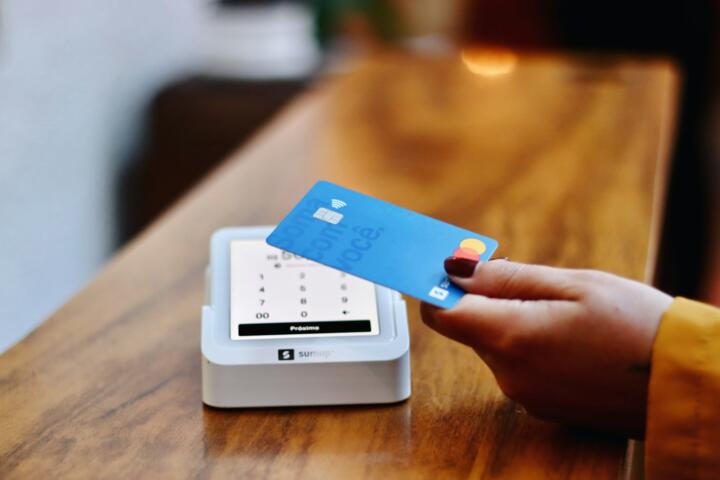
Card Payments, Step by Step
When you pay by card, the money flow passes through a chain: your bank, card network, merchant’s bank, and the merchant itself. The authorization step checks whether funds are available, then the transaction later settles when the banks exchange payment files. In the US, card networks and issuers commonly charge fees that are set per transaction, plus possible monthly or program fees for merchants.
In 2023, the European Commission reported that interchange fees for consumer card payments in the EU were capped by regulation at 0.2% for debit and 0.3% for credit, with some exceptions. Those caps do not remove other fees, such as network charges and merchant service charges, so the total cost can still vary by card type and merchant setup.
Authorization happens first.
During authorization, the terminal sends a request through the merchant’s acquiring bank to the card network, which routes it to the issuing bank. The issuer returns an approval or decline based on account status, risk checks, and available credit or balance. A measurable detail: many card payments show an “authorization” hold that can appear on your statement before the final settlement posts days later, which can confuse people who expect the final amount immediately.
Settlement usually follows later.
Settlement timing depends on the merchant’s acquiring agreement and card network rules, and it can be 1–3 business days in many common setups, though delays happen. The merchant receives the net amount after deducting fees, then the merchant pays its own costs such as payment gateway fees, fraud tools, and chargeback handling. If you refund, the refund often triggers a reversal process that may take additional days to reflect in your balance.
Fees are not one thing.
Where the Money Gets Split
People often assume the merchant pays one fee to “the card company,” but the fee stack usually includes multiple layers. Interchange is one layer, charged by the issuer to the acquirer, and it is influenced by card type (debit vs credit), region, and the regulatory regime. Network fees cover the card network’s role in routing and processing, and acquiring fees cover the acquirer’s services such as merchant onboarding and settlement operations.
Chargebacks add another layer.
Chargebacks occur when a cardholder disputes a transaction, and the merchant may pay chargeback fees or lose the transaction amount if the dispute is lost. The biological mechanism angle is indirect but real: disputes and fraud controls affect which transactions get approved, which influences consumer access to goods and services. Risk scoring systems can also change approval rates, which can feel like “the card company is taking more,” when the real driver is fraud prevention and underwriting.
Dependencies matter here.
Fee outcomes depend on supporting technologies such as EMV chip processing, tokenization, and fraud scoring. EMV chip transactions reduce counterfeit fraud compared with magnetic stripe, and that can change the risk profile and sometimes the merchant’s pricing. Tokenization replaces your card number with a token in many digital wallets, and that can reduce exposure to card-number theft, though it does not eliminate disputes or fees.
Skip the myth of one fee.
Another common misunderstanding is that “cashback” or “rewards” come from nowhere. Rewards are funded through issuer economics, interchange revenue, and sometimes marketing budgets, so the issuer’s cut is part of the system that makes rewards possible. When rewards are high for certain categories, the issuer may be pricing risk and profitability into those offers, and merchants may see different effective costs depending on which card types are used.
Solutions and Recommendations
Read the receipt like a map
Look for line items that separate the product price from taxes and any payment-related surcharges. Some merchants show a “card processing fee” or “convenience fee,” which is distinct from interchange and network fees. In practice, you can compare the total price across payment methods at the same merchant, then note whether the merchant changes the price for debit versus credit.
Track totals, not vibes.
Why it works: receipts reveal merchant-level pricing decisions, while interchange and network fees are usually not itemized to consumers. What it looks like: a grocery checkout might show the same shelf price but different totals after a card surcharge, or it might show no surcharge while still paying fees internally. A practical tool is a simple spreadsheet where you record date, merchant, card type, and final total; after 10–20 transactions, patterns often appear.
Do not assume the sticker price.
Use debit when it fits
Debit and credit can carry different interchange caps and different risk profiles, which can affect the merchant’s effective cost. In the EU, the interchange cap is 0.2% for debit and 0.3% for credit for consumer card payments, according to the European Commission’s reporting on the interchange regulation. That does not mean your personal cost changes, since merchants may absorb fees or price differently, but it can influence how merchants set pricing.
Debit can reduce merchant cost.
What to do: choose debit when the merchant offers no card surcharge and you want to avoid credit-related fee structures. What it looks like: a merchant that charges a flat surcharge for credit might not charge for debit, or might charge less. A realistic outcome is limited: many merchants do not pass through fees, so your savings might be zero even when interchange differs.
Expect mixed results.
Time refunds and holds correctly
Authorization holds can make it seem like you paid twice, especially when a refund posts after the final settlement. What to do: check whether your statement shows an authorization reversal or a separate refund transaction, and compare the posted dates. In practice, you might see the hold appear immediately, then later the hold disappears and the refund posts, which can take several business days depending on issuer processing.
Holds are temporary.
Why it works: issuers and acquirers handle reversals through settlement files, so the timing is system-driven rather than merchant-driven. What it looks like: a hotel deposit might show as an authorization, then the final charge posts later, and the unused portion reverses. If you need the funds quickly, contact the issuer to ask about the reversal status, since merchants cannot directly control how long the issuer takes to release a hold.
Ask for reversal status.
Watch for surcharges and legality
Some merchants add surcharges for card payments, and rules vary by country and card network policies. In the US, merchants generally may not impose surcharges on debit cards in the same way as credit in some contexts, and they must follow card network rules; in the EU, interchange regulation exists but merchant pass-through rules differ by jurisdiction. What to do: read the merchant’s posted policy before paying, and note whether the surcharge is disclosed at checkout.
Rules vary by region.
What it looks like: a ticketing site might show a “credit card fee” at the final step, while a local store might show a “cash discount” instead. A realistic number: surcharges often appear as a percentage, but the exact rate depends on the merchant’s contract and local compliance requirements. If a surcharge is not disclosed until after you choose the card, that can be a red flag for consumer protection and dispute risk.
Disclose timing matters.
Reduce chargeback risk when you sell
If you run a small business, chargebacks can dominate your cost because they combine lost revenue, chargeback fees, and time spent on evidence. What to do: use clear descriptors, provide shipping and tracking data, and match the billing descriptor to what the customer expects. In practice, you can reduce disputes by sending receipts promptly and using fraud tools that flag suspicious patterns without blocking legitimate customers.
Descriptor clarity helps.
Why it works: chargebacks often succeed when customers cannot reconcile the transaction with their expectations or when merchants cannot provide proof. What it looks like: an e-commerce store that emails order confirmations with order IDs and tracking numbers tends to have fewer “I did not recognize it” disputes. A mild frustration: many merchants focus on the payment gateway and ignore the post-purchase communication, which, frankly, is where disputes get won or lost.
Evidence beats arguments.
Use tokenization and wallet payments
Digital wallets often use tokenization, which replaces your card number with a token for the merchant. What to do: use a wallet for online purchases when it is available, and verify that the wallet shows the merchant name and amount before you confirm. In practice, tokenization reduces the exposure of your card number to merchants and network intermediaries, which can reduce certain fraud types.
Tokenization reduces exposure.
Why it works: fewer systems see your raw card number, so fewer places can leak it. What it looks like: you might see a tokenized transaction descriptor rather than the raw card number, and the issuer may apply wallet-specific risk rules. A realistic limitation: tokenization does not prevent chargebacks, and it does not stop all fraud, since attackers can still target account takeovers.
Wallets do not stop all fraud.
Ask your merchant about fee pass-through
Consumers can ask merchants whether they pass through card costs, but merchants rarely share interchange-level details. What to do: ask whether the merchant uses a flat card surcharge, a cash discount, or no pass-through, then compare totals across payment methods. In practice, you can infer pass-through by checking whether the final price changes when you switch from credit to debit or from card to cash.
Observe the pricing rule.
Why it works: merchant pricing decisions reflect their internal fee contracts, even when they do not disclose them. What it looks like: a pharmacy might keep the same price for debit and credit but add a fee for card, or it might offer a discount for cash. A small aside: in one checkout flow I reviewed on 2024-11-03, the “card fee” appeared only after selecting credit, which suggests the merchant’s contract treats credit differently.
Contracts drive outcomes.
What Happens in Practice
A commuter buys a monthly transit pass online. The site shows the same base price for debit and credit, but the final total includes a small card surcharge only for credit. The commuter pays by debit and sees no surcharge, then later notices the issuer shows an authorization hold that clears after settlement. The commuter learns that interchange differences can exist even when the merchant chooses not to pass through them for debit.
Another scenario involves a returned purchase at a home-improvement store. The customer pays by credit card, sees an authorization for the full amount, then returns the item two days later. The merchant processes the refund quickly, but the customer’s issuer releases the final credit after several business days, which matches settlement and reversal timing rather than merchant delay. The customer avoids a dispute by checking for the refund posting date instead of reacting to the initial hold.
Timing explains most confusion.
Shoppers Fee Stack Checklist
| What you notice | Likely fee layer | Who takes the cut | What to do |
|---|---|---|---|
| Card surcharge at checkout | Merchant pass-through | Merchant recovers costs | Compare cash vs card totals |
| Authorization hold | Issuer risk check + later settlement | Issuer later earns interchange | Wait for settlement posting |
| Different totals by card type | Interchange differences | Issuer and network | Try debit vs credit |
| Refund takes days | Reversal timing | System intermediaries process files | Check refund posting date |
Use this checklist before disputing.
- Record the transaction date and the amount shown on your statement.
- Note whether the entry is an authorization or a settled charge.
- Compare totals across payment methods at the same merchant when possible.
- For refunds, wait for the reversal to post, then confirm with the issuer.
- If a surcharge appears, check whether it is disclosed before you confirm payment.
Common Mistakes that Mislead
One mistake is blaming the merchant for interchange-driven costs. Interchange is set between the issuer and acquirer, and the merchant’s contract determines whether it passes those costs through. Another mistake is treating a temporary hold as a final charge, which can trigger unnecessary disputes and extra bank work.
Holds are not final.
A third mistake is assuming that “rewards” mean the issuer is taking less from merchants. Rewards are funded through issuer economics, and interchange revenue is one input; the issuer may also price risk and profitability into the rewards program. A fourth mistake is ignoring chargeback evidence. When a dispute arrives, the merchant’s ability to provide proof such as delivery confirmation and matching billing descriptors often determines the outcome.
Evidence changes outcomes.
Some people also overgeneralize from one payment method. A card used in a digital wallet can behave differently from the same card typed into a website, because tokenization and wallet-specific risk rules can change fraud screening and descriptor formats. A mild frustration: many receipts show truncated descriptors, which makes it harder to match the transaction to your purchase history.
Descriptors can be truncated.
FAQ
Who earns money from my card?
Your issuer can earn interchange when the transaction settles, the card network earns network processing fees, and the merchant’s acquirer earns acquiring and settlement fees. The merchant may also charge a separate card surcharge if its contract and local rules support it.
Why do I see an authorization hold?
An authorization hold is the issuer’s pre-approval step that checks account status and risk. The final settled amount posts later when the transaction clears through settlement files, so the hold can disappear or change after posting.
Do interchange caps remove all card fees?
Interchange caps limit one component of the fee stack, such as the EU’s reported 0.2% debit and 0.3% credit caps for consumer card payments. Other costs still apply, including network fees, acquiring fees, and fraud or chargeback-related costs.
Can merchants add card surcharges legally?
Merchant surcharge rules vary by country and by card network policy. If a surcharge appears, check whether it is disclosed before you confirm payment and whether it applies to the card type you use.
Do digital wallets change the fee split?
Wallets often use tokenization and may route transactions through wallet-specific processing paths, which can change risk scoring and fraud outcomes. The fee stack still exists, but the exact allocation between parties depends on the merchant’s acquiring setup and the issuer’s pricing.
Author's Insight
Card payments involve multiple contracts, so “who takes a cut” depends on which fee layer you mean: interchange, network fees, acquiring fees, or merchant pass-through surcharges. The most reliable consumer signals are the receipt and your statement timeline, especially the difference between authorization and settlement. Regulatory caps can constrain interchange in some regions, but they do not remove other transaction costs. When you see delays or mismatched amounts, settlement and reversal timing usually explains the gap more than deliberate overcharging.
Track dates, not assumptions.
Key Takeaways
Expect a fee chain: issuer, card network, and acquirer each earn from transaction processing, and merchants may add their own surcharge if their contracts and local rules permit it. Use practical checks: compare totals across payment methods, distinguish authorization holds from settled charges, and confirm refund posting dates. If you run into a dispute, gather evidence such as receipts, order confirmations, and delivery or return proof before contacting your issuer.
For health-related concerns, seek professional medical advice; payment fee questions are handled by your bank, card issuer, or merchant support rather than clinicians.