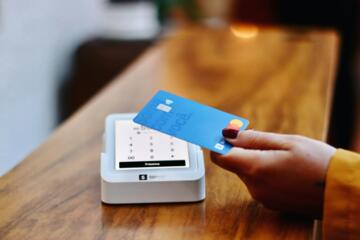
Paper Checks To Digital
Paper checks are a payment instrument where the payer prints a check, the payee deposits it, and the funds move through clearing and settlement. Digital payments replace the paper step with an electronic instruction, such as an ACH transfer, a card payment, a wire transfer, or a real-time payment message. The practical difference shows up in timing, recordkeeping, and fraud exposure. For example, a rent check that takes three days to clear can become a same-day bank transfer, while a card charge posts instantly but may require a dispute process if the amount is wrong.
Digital payments also change the “who does what” workflow. With a check, the payee typically controls deposit timing and can photograph the check for mobile deposit. With digital rails, the payer often initiates the payment and the payee receives funds based on the rail’s rules, which can include cut-off times and return windows. I’ve seen people assume a payment is final because they received a confirmation email; the email may confirm initiation, not settlement.
Common Pain Points
People often treat digital payments as a single category, then get surprised by different failure modes. An ACH transfer can be returned for reasons like incorrect account details, while a card payment can be reversed or disputed. A wire transfer usually has tighter controls but can still be irreversible once sent, which matters if a scammer changes the payee details.
Supporting technologies drive these outcomes. Payment rails rely on bank routing numbers, account identifiers, merchant acquiring systems, tokenization, and fraud detection rules. Mobile check deposit uses image capture and remote deposit capture systems; those systems can reject images that are too dark or cut off, which delays posting. On the consumer side, the dependency is often the payment app’s ability to show transaction status accurately, which depends on the bank’s integration and the rail’s reporting schedule.
Another frequent misunderstanding involves timing. Checks clear in batches, so the “deposit date” and the “available funds” date can differ. Digital payments can also have delays: ACH has settlement cycles, card networks batch and post, and some real-time systems still show provisional statuses until the message is confirmed. When a payment is marked “pending,” the status may change after a network update, not immediately after you see the notification.
Solutions And Advice
Match The Rail To The Need
Start by identifying what you’re paying and how fast you need the money to arrive. For recurring bills, ACH transfers often fit because they support scheduled payments and consistent record trails. For urgent one-off payments, some banks offer real-time payments, but availability varies by bank and by the recipient’s ability to receive. For large purchases, a wire transfer may be used, but you should treat payee details as high-risk because corrections can be difficult after sending.
As a practical aside, I’ve noticed payment apps label rails differently across banks; in one interface I used (version 7.2.1 of a mainstream banking app, dated 2025-03), the same “transfer” button led to different underlying rails depending on the recipient type. That mismatch is where confusion starts.
Verify Details Before You Send
Digital payments reduce some errors but create others. For ACH, verify the routing number and account number from a reliable source, not from a screenshot sent by email. For card payments, confirm the merchant name and the amount before authorizing; card disputes depend on transaction metadata and timelines. For person-to-person payments, verify the recipient identity through a known contact method, because scams often rely on changing payment instructions.
Use a “two-step check” habit: confirm the payee name and the destination identifier, then re-check the amount on the final confirmation screen. If the app allows it, turn on transaction alerts for every transfer and card charge. Alerts help you catch wrong-destination errors quickly, which is when recovery chances are best.
Keep Receipts And Status Screenshots
Digital payments create records, but those records can be hard to find later unless you capture them at the right moment. Save confirmation numbers, transaction IDs, and the timestamp shown by your bank. If a payment is pending, record the status and the expected completion window. For mobile payments, keep a screenshot of the “sent” screen and any subsequent “completed” or “returned” update.
For disputes, documentation matters more than memory. A dispute for a card charge typically requires the transaction date, amount, merchant descriptor, and a clear explanation. For ACH returns, you may need return codes or bank notifications. If you pay a bill through a bill-pay portal, keep the statement showing the scheduled date and the payment reference number.
Use Fraud Protections That Match The Risk
Fraud controls vary by rail. Card networks and issuers often provide chargeback or dispute pathways, while ACH fraud recovery can depend on whether the transaction was authorized and whether it can be reversed. Real-time payments can be harder to reverse once delivered, so prevention matters more than after-the-fact recovery.
Practical steps include enabling multi-factor authentication for your bank login, using device passcodes, and reviewing account activity daily during periods when you expect payments. If your bank offers virtual card numbers or merchant controls, those features can reduce exposure when a merchant is compromised. If you receive a payment request by email or text, verify through a known channel rather than trusting the message content.
Case Examples
Rent Payment Timing Mismatch
A tenant switched from monthly paper checks to an ACH transfer through a property management portal. The tenant initiated the payment on the 25th, but the landlord’s accounting system posted it on the next settlement cycle, so the ledger showed the payment later than expected. The tenant reduced the issue by scheduling the transfer earlier and saving the payment reference number from the portal. The lesson wasn’t that ACH “failed,” but that settlement timing and posting timing are different layers.
Wrong Payee After a Scam Message
A small business owner received an email claiming to update vendor banking details and sent a wire transfer to the new account. The wire left quickly, and the bank could not reverse it because the transaction was authorized and already settled. The business later reported the incident and worked with the bank on documentation, but recovery depended on the receiving bank’s actions and the speed of reporting. The practical takeaway was to verify banking changes through a known phone number or contract channel before sending.
Comparison Checklist
| Method | Typical Speed | Reversibility | Best Fit |
|---|---|---|---|
| Paper Check | Days for clearing | Stop-payment possible before cashing | Low urgency, recordkeeping via deposit |
| ACH Transfer | 1–3 business days (varies) | Returns possible; depends on authorization and timing | Bills, payroll, scheduled payments |
| Card Payment | Instant authorization; posting varies | Dispute/chargeback pathways | Retail purchases, subscriptions |
| Wire Transfer | Same day (often) | Hard to reverse once sent | High-value payments with verified details |
| Real-Time Payments | Minutes (often) | Reversal depends on system and timing | Urgent person-to-person transfers |
Decision checklist: choose the method that matches your timing needs, then verify destination details using a trusted source, then save transaction identifiers, then review the status updates until the payment is marked completed or posted. If the payment is for a new payee or banking change, add an extra verification step, even if it slows you down by a few minutes.
Common Mistakes
People often assume that a digital confirmation equals final settlement. A “sent” or “processing” label can precede completion, and the bank may later show a return or reversal. Another mistake is relying on a single screenshot without a transaction ID; disputes and investigations often require identifiers that aren’t visible in casual views.
Some consumers also mix up authorization and posting. A card charge may show as pending, then later settle for a different amount due to tips, refunds, or partial captures. With ACH, a payment can be returned for account issues, and the return can occur after the payee has already credited the invoice. That mismatch creates accounting headaches for both sides.
Fraud prevention errors show up as well. Sending money after receiving a “bank detail update” message without verifying through a known channel is a recurring pattern. Another recurring issue is ignoring account alerts because they arrive frequently; turning on alerts for only the accounts and payment types you use most can reduce noise.
FAQ
How do ACH transfers differ from card payments?
ACH transfers move money through bank-to-bank processing and often take 1–3 business days, while card payments involve authorization and later posting through card networks and issuers. Dispute options also differ: ACH returns depend on authorization and return rules, while card disputes follow card network processes.
Can a digital payment be reversed after it’s sent?
Reversal depends on the payment rail and timing. Card disputes may reverse funds after investigation, ACH can sometimes be returned, and wire transfers are usually difficult to reverse once sent. Real-time payments may be hard to reverse after delivery.
What should I check before paying a new vendor?
Verify the vendor’s name and banking details through a trusted contract document or a known phone number, then confirm the destination identifier on the final payment screen. Save the payment reference and timestamp so you can reconcile if the vendor reports a mismatch.
Why does my bank show a payment as pending?
Pending status can reflect authorization, processing, or settlement stages that occur before posting. The bank’s timeline depends on the rail and cut-off times, so the status may change after network updates.
What protections apply if I’m scammed?
Protections depend on whether the transaction was authorized and the payment method. Many banks have fraud investigation processes, and card issuers often provide dispute pathways, while wire and real-time transfers may offer limited reversal. Reporting quickly improves the chance of recovery.
Author's Insight
The shift from paper checks to digital payments changes more than convenience; it changes timing, identifiers, and recovery paths. Consumers benefit most when they treat each payment rail as a different system with different rules for pending status, returns, and disputes. The most practical habit is to verify destination details from trusted sources and to retain transaction IDs and timestamps for reconciliation. When something goes wrong, the ability to act quickly depends on how early you notice the issue through alerts and how clearly your records match the bank’s transaction metadata.
Key Takeaways
- Digital payments use different rails (ACH, cards, wires, real-time), and each rail has different timing and reversal behavior.
- Confirmation messages can indicate initiation rather than final settlement, so track status until posted or completed.
- Verify payee and banking details through trusted channels, especially for new vendors and banking changes.
- Save transaction IDs, timestamps, and status screenshots to support disputes or reconciliation.
- Use fraud protections that match the payment method, and report suspected scams quickly.