How Debit Cards Move Money
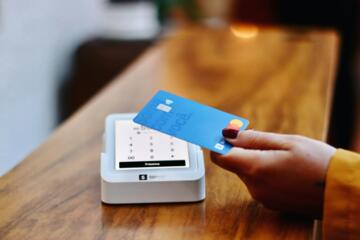
A tap at a terminal looks final. Card in, beep, receipt out. The reality runs through multiple systems at once. Visa and Mastercard usually approve transactions in under 500 milliseconds. That approval is only permission, not settlement.
Money leaves your available balance almost instantly. Actual funds can take 1–3 business days to fully settle between banks, depending on the merchant and network timing.
Two timelines run in parallel. One is authorization. The other is clearing. They rarely match.
That mismatch creates confusion. A $42 grocery bill can show as pending for 24 hours while your balance quietly adjusts behind it.
It feels simple. It is not.
Where Money Slows Down
People assume debit cards behave like cash. That assumption breaks fast when systems lag. Every delay comes from a different layer of the payment chain.
Merchant batching is one of the biggest slow points. Many stores group transactions and send them at night instead of instantly. That single choice can delay settlement by a full day.
Bank processing windows add another layer. Some banks only post transactions during scheduled cycles. Night runs matter more than people think.
Weekend timing changes everything.
Transactions made late Friday may not fully settle until Monday or Tuesday. That gap can distort available balances for 48 hours or more.
Then there is network routing. Cross-border payments or out-of-network processors introduce extra verification steps that slow movement even further.
Behind The Swipe Mechanics
Authorization happens first
When you swipe, the card network checks funds almost instantly. The issuer confirms whether the account can cover the purchase. Approval or decline arrives in less than a second in most cases.
This step only locks funds temporarily. It does not move money yet.
Fast, but temporary.
Hold gets placed immediately
Once approved, banks place an authorization hold. That reduces your available balance but does not finalize the transaction. Gas stations often place $75–$150 holds regardless of actual fuel purchased.
The number later adjusts downward when the real charge posts.
Confusing at first glance.
Merchant sends batch files
Retailers group transactions and send them in batches to processors. Large merchants may do this several times a day. Smaller businesses often send one batch overnight.
This delay creates the first real time gap between spending and settlement.
Nothing moves yet.
Clearing moves through networks
Visa, Mastercard, and regional processors route transaction data between banks. This step validates amounts and prepares settlement instructions.
Cross-bank verification adds friction. International routing adds more.
Seconds turn into hours.
Settlement finalizes funds
Actual money transfer happens during settlement. Banks exchange funds through central systems like the Federal Reserve’s ACH network or card clearing houses.
This is where balances fully reconcile. Not before.
The money finally moves.
Posting updates your balance
After settlement, banks update your ledger balance. This can happen in overnight cycles or scheduled posting windows.
Some banks update multiple times per day. Others still rely on end-of-day processing.
Timing depends on infrastructure.
Real World Payment Gaps
In 2023, a major U.S. retail chain experienced a processing delay where weekend transactions posted in bulk on Monday morning. Customers saw sudden balance drops of $200–$600 at once, even though purchases happened across three days.
Another case involved airline pre-authorizations. A $300 ticket hold remained on customer accounts for up to 72 hours before final settlement. Travelers reported temporary overdrafts despite having sufficient funds after adjustment.
These gaps are not rare. They are structural.
In both cases, users thought money had already “left.” It had not.
Fees Speed And Systems
| Stage | Time | System | Effect |
|---|---|---|---|
| Auth | <1 sec | Visa | Hold funds |
| Batch | Hours | Merchant | Delay send |
| Clear | 1–2 days | Network | Verify funds |
| Settle | 1–3 days | Bank | Finalize cash |
Common Mistakes
Most confusion comes from reading balances too literally. The number on your banking app is not static. It updates in layers.
One mistake is ignoring pending transactions. A $60 hold can vanish temporarily, then reappear when final amounts post. That swing creates false confidence.
Another issue is weekend spending. Friday purchases often cluster into Monday posting cycles. The delay feels like missing money, even when everything is normal.
People also forget about pre-authorizations.
Hotels, car rentals, and gas stations often lock larger amounts than the final bill. That buffer can sit for days.
One more problem: overdrawing based on pending math. Available balance looks safe until multiple holds clear at once.
FAQ
Why does debit card money take days to move?
Because authorization, batching, clearing, and settlement all happen in separate systems. Each stage runs on its own timeline, and they rarely align in real time.
Why is my bank balance different from my card purchase total?
Pending transactions reduce available funds before final settlement. Until merchants send final batch data, numbers stay partially estimated.
Do debit card purchases take money instantly?
No. Approval is instant, but actual settlement takes 1–3 days depending on merchant processing and bank cycles.
Why do gas stations charge more than I spend?
They place authorization holds, often between $75 and $150, to ensure funds are available. The excess is released after final purchase amount posts.
Can weekend purchases delay transactions?
Yes. Banks and merchants often process batches only on business days, which pushes settlement into Monday or Tuesday cycles.
Author's Insight
I used to think debit cards were close to cash. That belief only holds until you watch a weekend of transactions post at once. The system is precise, but not immediate. Once you see the delay pattern, account balances stop feeling random.
Most surprises come from timing, not spending habits. That distinction changes how you read every purchase.
The gap is always there...
Summary
Debit cards move money through multiple stages, from instant authorization to delayed settlement. Each step involves different systems, which creates time gaps between spending and actual cash transfer. Understanding those delays helps prevent balance confusion, overdrafts, and mistaken assumptions about available funds.
Watch pending transactions closely. Plan around timing, not just totals. The swipe is instant, but the money is not.