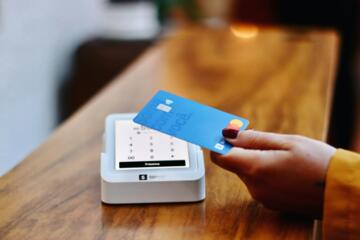
How Debit Speed Works
A debit card transaction feels like a single motion. Tap, approved, done. In reality, the process splits into at least two stages: authorization and settlement. Authorization happens in under 2 seconds in most cases, while settlement may take 24–72 hours depending on the network.
Visa and Mastercard debit rails process billions of transactions annually, routing requests through issuing banks, acquiring banks, and payment processors. In 2024, Visa reported over 200 billion processed transactions across its network. That scale is why the system prioritizes speed at the front and batching at the back.
Money does not actually “move” at the moment you tap. It is reserved first, then later transferred between institutions in bulk settlement cycles. The illusion of instant transfer sits on top of delayed reconciliation.
Fast does not mean final. That distinction matters.
Most users never see settlement entries directly. They only see available balance updates, which shift in near real time. Still, accounting systems behind banks reconcile everything later in structured cycles, often overnight.
What Actually Breaks
Debit systems rarely fail loudly. They fail quietly, through timing gaps and mismatched records.
One common issue is pending holds. A $60 fuel purchase may place a $100 authorization hold, depending on the merchant. That extra buffer can sit frozen for up to 3 days, reducing usable balance without being a final charge.
Another problem comes from delayed merchant settlement. Restaurants, rideshare apps, and hotels often finalize payments later. That means the amount you saw yesterday may not match what posts today.
Numbers drift slowly.
Then there is the weekend effect. Banks and clearing systems process fewer updates outside business days. A Friday evening purchase can stack with Sunday subscriptions, creating a false sense of available funds until Monday hits.
Skip real-time assumptions. They break under batching systems.
Debit networks also depend on offline merchant terminals in some regions. If connectivity drops, transactions can be stored locally and submitted later in bulk. That creates unpredictable posting delays that feel random but are not.
Fixes And Controls
Watch Authorization Holds
Authorization holds lock part of your balance before the final amount posts. Gas stations, hotels, and car rentals use this heavily. A $40 tank fill can show up as a $120 temporary hold.
Check your banking app’s pending section daily. Many apps from Chase, Wells Fargo, and Revolut now show real-time holds separately from posted transactions. That separation reduces accidental overdrafts.
Hidden locks drain flexibility.
Separate Buffer Accounts
Move spending money into a dedicated debit account with a fixed weekly limit. Even $200 divided into seven days creates structure that prevents cascading debit failures.
This works because debit systems do not care about intention. They process what is available at settlement time, not what you planned to spend.
Small buffers reduce timing risk.
Enable Instant Alerts
Mobile banking alerts reduce reaction time between purchase and awareness. Set notifications for every transaction above €1 if possible.
Some European banks like N26 and Revolut already push real-time alerts within 1–2 seconds of authorization. That window matters when multiple small charges stack in a single hour.
Delay kills visibility.
Track Merchant Patterns
Different merchants settle at different speeds. Uber may finalize within minutes, while hotels may take 48 hours or more.
Build mental categories: fast-settle, delayed-settle, and variable-settle. This reduces confusion when balances shift unexpectedly.
Patterns replace surprises.
Limit Card Linking
Every subscription tied to a debit card adds another asynchronous withdrawal. Netflix, Spotify, and cloud storage services all operate on independent billing cycles.
Stacking too many links increases the chance of overlapping withdrawals on low-balance days. Even five €10 subscriptions can collide in a 24-hour window.
Less linkage, fewer shocks.
Check Offline Risk
Some transport systems and toll roads process payments in delayed batches. London Underground, for example, aggregates contactless fares and charges them later in grouped transactions.
This means a ride taken on Monday morning might only appear on Tuesday night. That lag creates blind spots in budgeting unless tracked manually.
Delay hides movement.
Real World Flows
A typical debit purchase passes through five entities: merchant terminal, acquiring bank, card network, issuing bank, and settlement system. Each layer adds milliseconds or hours depending on load and timing.
In 2023, Mastercard reported processing peaks above 5,000 transactions per second during high-traffic retail events. Those spikes require heavy batching on the backend to maintain stability.
One retail case in Germany showed a common pattern. A customer spent €87 across three stores on Friday evening. All three transactions authorized instantly, but two settled on Monday, temporarily showing a €140 combined pending reduction due to holds.
The money never disappeared. It only shifted states.
Another example comes from subscription-heavy users. A freelancer in Berlin with 12 recurring services saw €180 in charges cluster within 36 hours due to synchronized billing cycles. The account dropped below €0.12 before a pending invoice cleared.
Timing, not amount, caused the issue.
Speed Vs Safety Table
| Factor | Speed | Risk | Reality |
|---|---|---|---|
| Authorization | 1–2 sec | Low | Immediate approval |
| Settlement | 24–72h | Medium | Batch processing |
| Holds | Variable | High | Temporary locks |
| Subscriptions | Ongoing | High | Async billing |
Common Mistakes
People assume the balance shown in an app reflects real spending capacity. It often does not. Pending charges distort the number for hours or days.
Another mistake is ignoring merchant categories. Fuel stations, hotels, and delivery platforms behave differently from retail stores. Treating them the same leads to misjudged balances.
Stop trusting the “available now” label blindly.
Some users also rely too heavily on instant top-ups from savings accounts without checking settlement timing. Transfers between internal accounts can still lag, especially on weekends or holidays.
Finally, people forget that refunds are slower than payments. A €25 return can take 3–10 days depending on the merchant processor. That mismatch creates artificial shortages in the meantime.
FAQ
Do debit card payments move money instantly?
They authorize instantly in most cases, but settlement can take 1–3 business days depending on the bank and merchant.
Why do pending charges change my balance?
Pending charges reserve funds before final settlement. This reduces available balance even though the transaction is not fully posted yet.
Why do some transactions take longer to appear?
Merchants settle at different speeds. Hotels, fuel stations, and transit systems often batch payments later instead of processing them immediately.
Can debit card transactions be reversed?
Yes, but only in limited cases such as fraud, disputes, or merchant refunds. Reversals typically take several days to process.
Why is my balance different across apps?
Different apps may show posted balance versus available balance. One includes pending holds, while the other reflects only finalized transactions.
Author's Insight
I have noticed most confusion around debit systems comes from expecting credit-card-like clarity in a system that was never designed for it. Debit rails prioritize authorization speed, not real-time accounting accuracy.
Once you stop assuming instant finality, the system becomes easier to read. The gaps between authorization and settlement are not bugs. They are design choices...
Summary
Debit cards move money in two phases: instant authorization and delayed settlement. The visible speed hides backend batching that can stretch across days. Users who track holds, separate buffers, and understand merchant timing avoid most balance surprises.
The system is fast at the front and slow at the back. Knowing both sides is what keeps small transactions from turning into unexpected shortages.