What Credit Scores Are
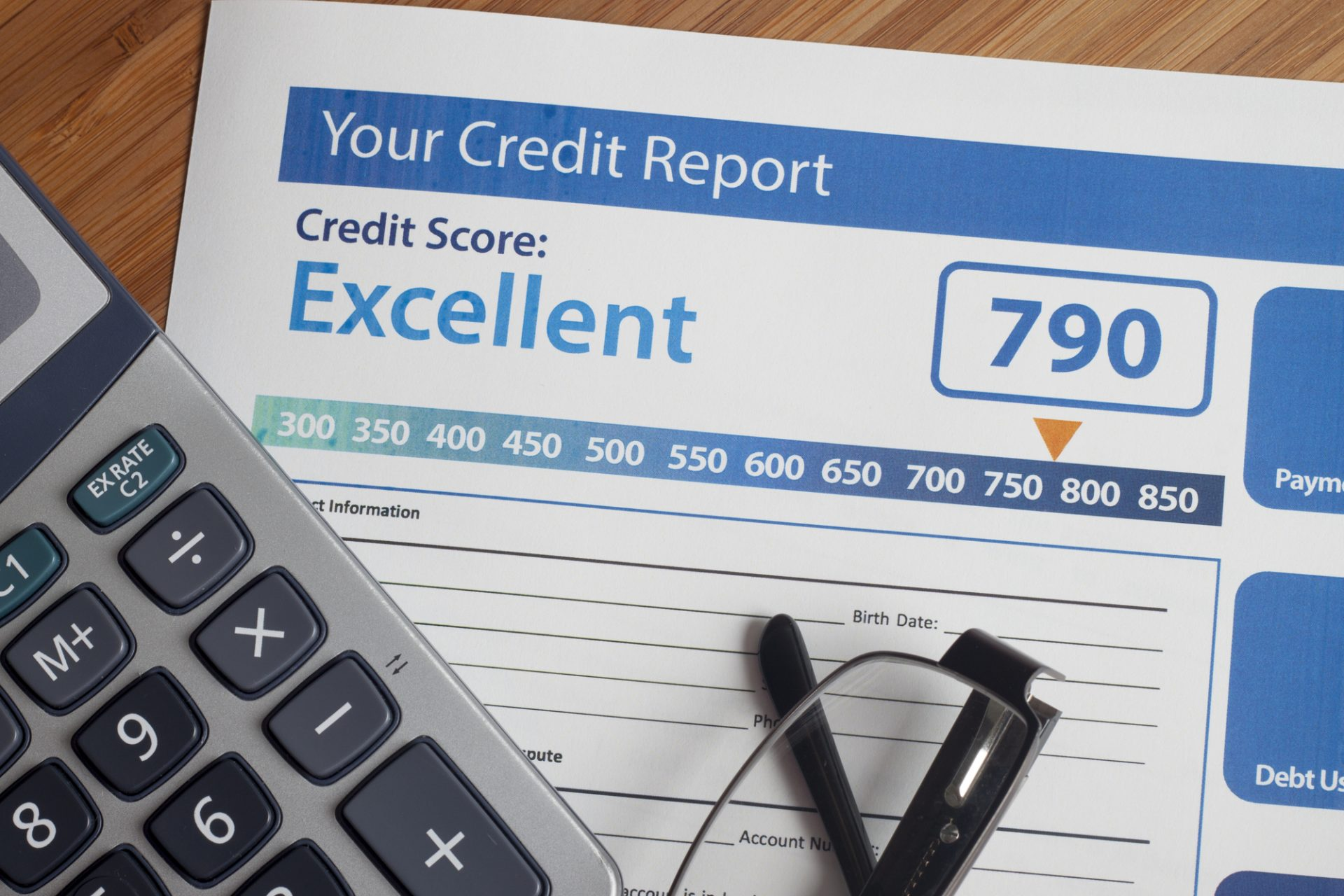
Credit scores are three-digit risk signals used by lenders to estimate repayment behavior. Most fall between 300 and 850. A score above 700 often unlocks better loan terms, while anything under 600 usually signals higher risk to banks.
They are not opinions. They are mathematical summaries built from payment history, debt levels, account age, and credit inquiries. Experian, Equifax, and TransUnion collect the raw data, then scoring models convert it into a number lenders can use quickly.
Credit scores aren’t random. They exist because lenders needed a shared risk language. Approval decisions once relied on judgment calls. That created inconsistency across banks and cities.
Now the system runs on standardized inputs.
FICO dominates most lending decisions in the United States. Roughly 90% of top lenders use FICO models in mortgage approvals, according to company disclosures. VantageScore exists as a competitor, created jointly by the three major bureaus in 2006.
A single late payment can shift a score by more than 50 points. That volatility matters. A mortgage rate difference of even 0.5% can change lifetime interest costs by thousands of dollars.
Numbers drive outcomes.
Why Scores Confuse People
Most confusion starts with invisibility. People see the score but not the system behind it. They assume banks “check a number” rather than interpret layered datasets.
Credit scores aren’t transparent because the models are proprietary. FICO does not publish exact weighting formulas. That secrecy creates frustration for borrowers trying to reverse-engineer outcomes.
Credit scores exist to reduce lending risk. That sounds clean. The reality is messier.
Data reporting errors affect roughly 1 in 5 credit reports, according to CFPB findings. That means millions of people may be judged on incomplete or incorrect information.
One missed update can linger for months.
Another issue is timing. Credit utilization can change daily, but scores are often updated monthly. Someone may pay down a balance and still see a low score for weeks.
Then there is emotional confusion. A rejected application feels personal, but scoring models do not account for intent or context.
They only see patterns.
How Scores Get Built
Payment history impact
Payment history makes up the largest share of most scoring models. One missed payment can drop a score significantly, especially if the account was previously clean.
Lenders treat consistency as the strongest predictor of repayment. A 30-day late mark stays on reports for up to seven years.
Small delays matter.
Credit utilization ratio
This measures how much credit is being used compared to available limits. Using more than 30% of a credit line often signals higher risk.
Someone with a $5,000 limit carrying a $2,000 balance is already near that threshold. Paying it down before statement dates can shift scores quickly.
Timing changes outcomes.
Account age matters
Older accounts tend to improve scores because they show long-term behavior. Closing a long-held credit card can shorten average credit age and reduce scoring stability.
A 10-year account history carries more weight than a newly opened line. Even inactive accounts can help.
History compounds.
Credit mix signals
Lenders look at whether borrowers manage different types of credit, such as installment loans and revolving credit. A mixed profile can slightly improve scoring outcomes.
However, mix alone does not compensate for missed payments or high balances.
Structure still wins.
New credit inquiries
Each hard inquiry signals potential new debt. Multiple applications in a short period can reduce scores temporarily.
Mortgage and auto loan systems often group inquiries within a short window to reduce penalty effects.
Shopping carefully matters.
Who Controls The Data
Credit bureaus sit at the center of the system. Experian, Equifax, and TransUnion collect data from banks, credit card companies, and lenders. These institutions are called data furnishers.
They report balances, payments, and account status regularly. Errors can enter at any point in that chain.
Credit bureaus do not create scores in isolation. They store the raw inputs, then apply scoring models like FICO or VantageScore.
The system is layered.
FICO itself is a private analytics company. It sells scoring models to lenders rather than consumers. VantageScore was built as a joint venture between the three bureaus to create a competing standard.
Lenders choose which model to use based on risk appetite and industry norms. Mortgage lenders prefer FICO. Some fintech apps rely on VantageScore for faster approvals.
Different tools, same data.
Case Studies In Practice
A borrower with a 720 FICO score applied for a mortgage in 2023 through a regional bank. The lender offered a 6.2% rate based on that score and debt profile.
Another applicant with a 680 score, identical income, and similar down payment received a 6.8% rate. Over a 30-year loan, that difference added more than $40,000 in interest costs.
Small gaps create large outcomes.
A separate case involved a credit report error flagged by a consumer in Ohio. A missed medical bill incorrectly listed as unpaid reduced their score by 90 points. After dispute resolution through TransUnion, the correction restored their original score within 45 days.
Timing again proved critical.
Score System Snapshot
| Element | Source | Impact | Range |
|---|---|---|---|
| Payment | Lenders | High | 7 years |
| Utilization | Cards | High | Monthly |
| History | Bureaus | Medium | 10+ yrs |
| Inquiries | Lenders | Low | 24 mo |
Common Mistakes People Make
Many borrowers assume checking their own score lowers it. It does not. Soft inquiries from personal checks or credit monitoring apps have no impact.
Another mistake is closing old accounts immediately after paying them off. That can reduce credit age and increase utilization ratios unexpectedly.
People also over-focus on one score.
Different lenders see different versions of credit scores depending on the model used. A mortgage lender may see a different number than a credit card app shows.
Applying for multiple loans in a short window can also create unnecessary score pressure, even when inquiries are grouped for auto or mortgage shopping.
Awareness reduces damage.
FAQ
Who actually calculates credit scores?
Credit scoring companies like FICO and VantageScore calculate scores using data provided by credit bureaus. The bureaus themselves store the raw financial data.
Why do I have different credit scores?
Different lenders use different scoring models and data updates. One bureau may have newer or slightly different information than another.
Does checking my credit hurt my score?
No. Checking your own credit results in a soft inquiry, which does not affect your score. Only hard inquiries from lenders have temporary impact.
How often do credit scores change?
Scores can change monthly or even daily depending on reported balances and payments. Most lenders update data once per billing cycle.
What is a good credit score range?
Scores above 700 are generally considered strong by most lenders. Scores above 750 often receive the best interest rates and loan terms.
Author's Insight
Credit scoring looks technical on the surface, but it behaves like a reflection system. It reacts to reported behavior, not financial intent. That gap surprises people more than anything else.
In practice, I have seen small habits matter more than big financial moves. Paying a few days early or keeping utilization low has more long-term impact than chasing perfect optimization strategies.
The system is not static. It shifts with reporting cycles, lender policies, and model updates.
Summary
Credit scores are built by scoring companies using data from credit bureaus, not by banks themselves. They exist to standardize lending risk and reduce uncertainty in financial decisions.
Understanding how payment history, utilization, and credit age interact gives borrowers more control over outcomes. Small financial actions accumulate into measurable differences over time.