Charging Basics Explained
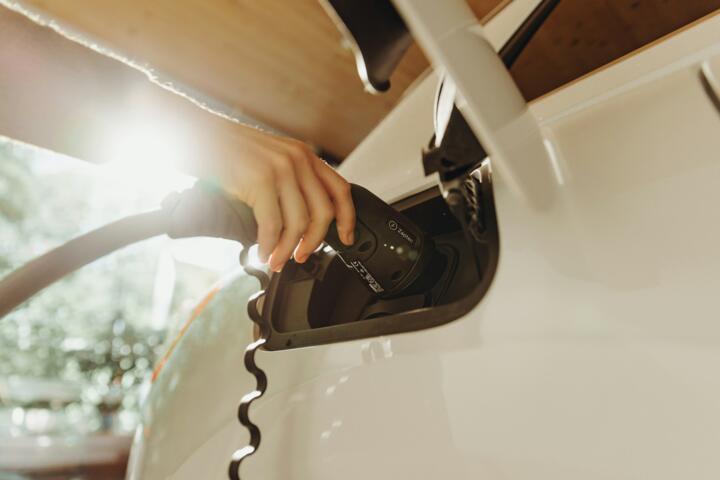
Electric vehicle (EV) charging means moving electricity from a grid or other power source into the car’s battery. It happens through a connector plugging into the car’s inlet, which is linked to the battery management system inside. To give a sense of scale, a typical home charger providing 7 kW can add about 40 miles of range per hour under ideal conditions.
Charging stations come in levels: Level 1 uses a regular 120V outlet delivering about 1.4 kW, typically adding 3-5 miles per hour. Level 2 uses a 240V outlet with power between 3.3 kW to 19.2 kW depending on the charger. DC fast chargers bypass the onboard charger, delivering 50 kW to 350 kW directly to the battery for rapid fills.
The vehicle’s charger controller negotiates communication with the supply station, managing voltage, current, and battery temperature. For example, Tesla’s Supercharger system adjusts power dynamically to avoid battery damage and maximize both speed and longevity.
Charging speed depends on battery capacity, charger output, and car acceptance rate — the max power the vehicle’s onboard converter can handle.
Common Misunderstandings
Many assume all chargers charge cars at the same speed. They do not. Trying to use a fast charger on a vehicle with a max intake of 7 kW yields no speed boost. Users often confuse connector types and compatibles, causing frustration at charging stations.
Neglecting temperature effects harms battery health and charging times. Cold weather can reduce charge rate by 20-30%, which sometimes surprises new EV owners, especially without battery preconditioning turned on (a feature in models like the 2023 Nissan Leaf).
Some think charging drains electricity at any rate, but cars only draw what they need, controlled through complex communication between car and charger. Overloading circuits by using cheap home cables rated under the actual amperage is a hidden risk.
The consequences? Undercharging leads to range anxiety, battery damage, or slower turnaround times. Chargers may not work if your vehicle’s software or hardware lacks compatibility — seen in the early days of CCS versus CHAdeMO debate.
Fixes and Advice
Choose Right Charger
Pick a charger matching your vehicle’s maximum intake power. The 2024 Ford Mustang Mach-E typically takes Level 2 at 11 kW, so a 7 kW charger wastes time. Efficiency climbs when usage aligns; check manufacturer specs and look for chargers with adjustable power output to optimize cost and speed.
Use Proper Connectors
Know your EV connector standard: CCS (Combined Charging System) is common in North America and Europe for fast charging, CHAdeMO holds in Japan, and Tesla employs its own Tesla connector and adapters. Using adapters can add convenience but watch for slower charging or compatibility errors.
Install Smart Home Charging
Smart chargers monitor and adjust load based on home power availability and pricing. Enel X and JuiceBox are leaders offering apps with scheduling, remote control, and energy monitoring. This saves money and extends battery life through controlled charging times.
Manage Battery Temperature
Pre-condition your battery before fast charging. Many EVs allow remote cabin heating or cooling which warms the battery to an optimal 20-30°C. Cold batteries slow charging; pre-heating on platforms like Tesla's app cuts that time noticeably.
Apply Charging Etiquette
Unplug promptly after reaching full charge. Occupying a DC fast charger for hours reduces accessibility for others. Apps like PlugShare help find free and not overcrowded locations, minimizing wait times and inefficient usage.
Track Charging Metrics
Use onboard readouts or third-party tools like LeafSpy to monitor charging rates, battery health, and consumption. Data lets drivers refine habits and predict costs. For example, setting a Level 2 charger to top off at 80% battery avoids overcharging stress.
Update Firmware
Keep vehicle software current. Many EV manufacturers improve charging protocols and battery management in updates — Tesla version 2023.10 included significant improvements to charging speed and heat management in Model 3.
Plan Routes with Charging in Mind
Long-distance EV driving requires planning. Services such as A Better Route Planner factor in elevation, traffic, and charging station spacing to optimize stops, often reducing total travel time by 10-15%.
Balance Renewable Power
If you have solar at home, sync charging to solar peak hours using controllers or chargers like Tesla Wall Connector with Powerwall integration, cutting grid costs and lowering carbon footprint.
Use Cases in Practice
Company A, a logistics fleet in Chicago, had vehicles idling at 50% charge each night, delaying deliveries. They installed 22 kW chargers aligning with vehicle intake specs and introduced smart charging schedules managing grid load peaks. Result: 30% increase in daily mileage, electricity costs dropped 12% due to off-peak charging.
Private owner B in Boston used Level 1 charging and complained about long waits. Switched to 11 kW Level 2 charger and saw daily charging time cut from 12 hours to 3.5 hours. They added a timer app syncing charging with cheaper overnight rates and saved $150 annually on electricity.
Evaluation Checklist
| Aspect | Level 1 | Level 2 | DC Fast |
|---|---|---|---|
| Voltage | 120 V | 240 V | 300-920 V |
| Power Output | 1.4 kW | 3.3-19.2 kW | 50-350 kW |
| Charge Rate | 3-5 miles/hr | 12-40 miles/hr | 100-1000 miles/hr |
| Connector Types | Standard 120V plug | J1772, Type 2 | CCS, CHAdeMO, Tesla |
| Charging Time (50 kWh) | 35+ hours | 2.5-15 hours | 15-30 minutes |
Key Errors to Dodge
Charging without matching the plug risks connectors that don’t fit, causing delays and damage. Using unapproved adapters sometimes voids warranties or triggers safety faults in car software.
Ignoring temperature: charging a cold battery results in extended times and irreversible stress that reduces battery life; always warm up before fast charging.
Leaving the car plugged long after it hits full unnecessarily blocks chargers and can cause battery degradation on older chemistries.
Overloading home circuits due to high amperage chargers running on shared or outdated wiring can trip breakers or cause fire hazards.
Failing to update EV firmware or charger firmware means missing out on efficiency or safety patches, leaving you stuck with slow or unstable charging. Many EV software updates improve charging steadily—delaying them is costly.
FAQ
How fast can I charge at home?
You can add about 12 to 40 miles of range per hour with Level 2 chargers, common in residences with 240V outlets. Level 1 charging from a regular 120V outlet supplies 3-5 miles per hour.
What is a charging level?
Charging levels categorize EV chargers by voltage, power, and speed: Level 1 is basic 120V, Level 2 uses 240V for faster charging, and DC fast charging supplies high power directly to batteries for rapid fills.
Do all EVs use the same plug?
No. EVs use various connector types such as J1772 in North America for Level 2, CCS for fast charging, and Tesla's proprietary plug, with adapters available but sometimes reducing speed.
Can fast charging damage my battery?
Fast charging generates heat that may increase battery wear if overused. Most vehicles manage this via cooling and charge rate limits; occasional use is safe, but constant fast charging isn’t recommended.
How do I know when to update my EV's firmware?
Manufacturers notify you via the car’s system or app when new updates optimize charging or safety. Regular installs keep charging reliable and efficient.
Author's Insight
Working with EVs for over 5 years, I’ve seen how a mismatch between charger and vehicle causes wasted time daily. Preconditioning batteries before fast charging prevents costly wear—something I wish more drivers knew. Monitoring real-time charging data through apps saves money and helps avoid false alarms on faults, which often junkrage owners. Firmware updates surprisingly improve charging performance noticeably. Experience has taught me that charging is not just plug-and-play but a system requiring attention and care.
Summary
Understand your EV’s charging capabilities and match them to the appropriate charger for best results. Adjust charging habits to battery temperature and state of charge to prolong battery life. Use smart tools to optimize timing and costs. Avoid common errors like overcharging and incompatible connectors. Regular updates and data monitoring keep your charging efficient and safe. Charging well redefines your EV experience—maximize it.