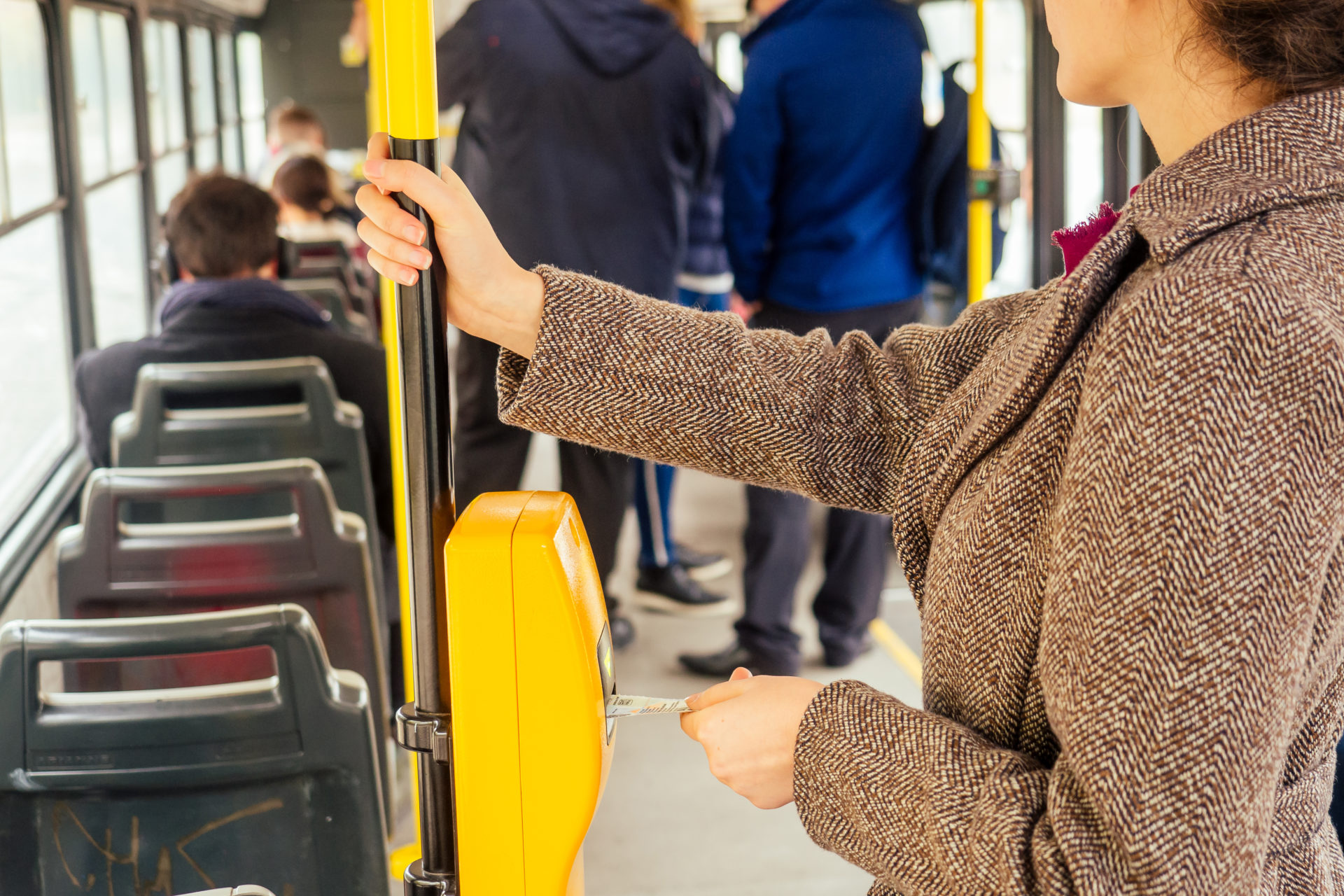
Why Fares Feel Random
Most riders notice fare prices only when they rise. The logic behind them stays buried inside transit authority reports, contractor budgets, and city politics. That is why two nearly identical trips can produce completely different prices.
Take London. A single ride on the London Underground can cost under £3 with Oyster during off-peak hours, then jump higher if you travel through Zone 1 at rush hour. In New York, the Metropolitan Transportation Authority charges a flat subway fare regardless of distance. Tokyo works differently again, with rail fares increasing station by station.
Every system reflects local priorities.
Some cities want simplicity. Others want riders traveling farther to pay more. Dense metro systems often subsidize short trips heavily because moving millions of workers quickly matters more than perfect pricing fairness.
Transit agencies also face pressure from governments that rarely cover full operating costs. Globally, public transit systems recover anywhere from 30% to 90% of expenses through fares, according to International Association of Public Transport data. The rest comes from taxes, fuel surcharges, congestion programs, or state funding.
That funding gap shapes everything.
What Actually Drives Cost
Distance sits at the center of many fare systems, but it is not the only factor. Transit agencies also calculate maintenance, labor, energy prices, station density, and expected passenger volume.
A crowded subway line carrying 50,000 riders per hour spreads operating costs across huge numbers of people. A suburban commuter rail line with fewer passengers cannot. That is one reason regional trains often cost more per mile than city buses.
Peak-hour demand changes the math too. Cities like Singapore and Sydney charge more during high-demand periods because trains require additional staffing, power consumption, and fleet usage between roughly 7 a.m. and 9 a.m.
Rush hour changes pricing.
Politics also interferes constantly. A mayor may freeze fares before elections. A government may subsidize pensioners, students, or low-income residents. Germany’s €49 Deutschlandticket reshaped regional transit usage because the federal government absorbed part of the cost directly.
Then there are invisible boundaries. Cross from one transit zone into another and prices rise even if the physical distance barely changes. Riders hate that system until they see maps of maintenance obligations, staffing contracts, and regional tax districts...
How Systems Price Trips
Flat fare systems
This is the simplest structure. Every rider pays the same amount regardless of distance traveled. New York City uses this model for subways and local buses through the MTA.
The appeal is obvious. Riders understand pricing instantly. Boarding moves faster because nobody calculates zones or exit stations.
Simplicity has tradeoffs though. Someone traveling 2 miles pays the same as another rider crossing the entire city. Short-distance riders effectively subsidize longer trips.
That imbalance grows over time.
Distance-based pricing
Many Asian rail systems price trips according to actual distance traveled. Tokyo Metro and JR East rely heavily on this approach.
You tap in, travel, then tap out. The system calculates the number of stations or kilometers crossed and deducts the fare automatically. A short ride may cost ¥180 while a longer suburban trip pushes above ¥500.
This structure feels fairer to many commuters because charges roughly match usage. It also creates operational headaches when passengers forget to tap out or transfer between operators.
Zone pricing
London popularized modern zone-based fares. The city divides the network into numbered rings radiating outward from the center.
Travel within fewer zones and you pay less. Cross multiple zones and the fare rises. Airports almost always sit in outer zones, which partly explains expensive airport train tickets.
Zone systems simplify administration compared with exact distance tracking. But riders living near boundaries often get frustrated because one additional stop can trigger a higher bracket.
That part feels arbitrary.
Peak and off-peak rates
Transit agencies want to spread demand across the day. Higher peak pricing helps.
Transport for London and several commuter rail operators charge more during busy periods. The difference can exceed 25% depending on route and timing.
Cheaper midday fares encourage flexible workers, students, tourists, and retirees to travel outside rush periods. That reduces overcrowding without building entirely new infrastructure.
Transfer rules and caps
Modern ticketing systems increasingly include fare caps. Once riders hit a daily or weekly spending limit, additional trips become free.
London, Vancouver, and many contactless payment systems now use automatic caps. Riders no longer need to calculate whether a day pass makes sense before boarding.
Caps reward frequent use while reducing friction. They also generate cleaner ridership data because passengers tap consistently instead of sneaking onto buses through rear doors or avoiding transfers.
Data matters more now.
Subsidized categories
Children, students, pensioners, veterans, and low-income riders often receive discounted fares funded partly through public budgets.
Paris offers youth discounts. Hong Kong gives elderly riders heavily reduced MTR pricing. In many U.S. cities, disabled riders qualify for paratransit or reduced monthly passes.
These discounts are political decisions as much as transportation policy. Cities use them to support workforce mobility, school attendance, and social inclusion.
Dynamic pricing experiments
A few transit systems are testing demand-responsive pricing similar to airlines or rideshare apps. The idea remains controversial.
Some pilot programs adjust fares based on congestion levels, event traffic, or occupancy rates. Critics argue public transit should remain predictable, not fluctuate like hotel rooms during holiday weekends.
Still, agencies facing budget pressure keep experimenting because fixed fares often fail to cover rising fuel and labor costs.
The pressure keeps building.
Where Riders Save Money
One commuter in London cut annual transit spending by nearly £900 simply by shifting work arrivals after 9:30 a.m. Off-peak pricing reduced both rail and Underground costs, while weekly fare caps prevented extra weekend charges.
Another example came from Berlin after Germany introduced the €49 national transit pass. Riders who previously bought separate regional rail and local transit tickets suddenly paid far less for combined commuting. Passenger demand surged so quickly that some regional trains experienced crowding levels not seen in years.
Monthly passes often beat single fares too. In Chicago, a rider commuting twice daily five days per week can spend more than $100 monthly through individual CTA rides. Unlimited passes frequently cost less than repeated tap payments after roughly 20 working days.
Small habits change totals.
Tourists miss savings constantly because they buy airport tickets separately instead of integrated travel cards. Locals know better. Cities design passes around predictable commuter behavior, not occasional visitors rushing through ticket machines with luggage.
Fare Models Compared
| Model | Example | Upside | Downside |
|---|---|---|---|
| Flat | NYC | Simple | Uneven cost |
| Distance | Tokyo | Usage match | Complex exits |
| Zone | London | Balanced | Boundary jumps |
| Dynamic | Pilots | Demand shift | Unpredictable |
Common Rider Mistakes
Many riders ignore transfer windows. That costs money fast. Some systems give free transfers within 90 minutes while others restart the fare immediately after exiting.
Another mistake is buying paper tickets instead of reloadable smart cards. Contactless systems usually include discounted pricing because agencies want faster boarding and lower staffing costs.
Do not ignore fare caps.
People also misunderstand commuter rail pricing. Traveling one stop across a municipal boundary can sometimes cost more than remaining inside the urban core for twice the distance. Check zone maps before renting apartments near edge districts.
Tourists often overpay at airports too. Dedicated airport express trains carry premium pricing because agencies know travelers prioritize convenience over savings. Local commuter lines may reach the same terminal for half the price if you do not mind an extra 12 minutes.
Apps help, but not always. Third-party transit apps occasionally miss temporary fare promotions, holiday discounts, or regional ticket integrations. Official transit apps usually carry the most accurate pricing data.
Small differences add up.
FAQ
Why do subway fares differ between cities?
Each city balances operating costs, subsidies, ridership levels, labor expenses, and political priorities differently. A heavily subsidized system may charge low flat fares, while another city relies more heavily on passenger revenue.
What is a fare zone?
A fare zone is a geographic pricing boundary used by transit agencies. Traveling across additional zones raises the ticket price even if the actual distance traveled remains relatively short.
Why are airport train tickets expensive?
Airport lines often involve dedicated infrastructure, luggage-friendly trains, and premium service expectations. Transit agencies also know many travelers prioritize speed and convenience over lower cost alternatives.
How do daily fare caps work?
Fare caps limit how much riders pay within a day or week. Once spending reaches the cap, extra trips become free automatically through contactless cards or transit apps.
Are public transport systems profitable?
Few are fully profitable through fares alone. Most transit agencies receive government funding because public transportation reduces traffic congestion, pollution, and infrastructure strain.
Author's Insight
I started paying closer attention to transit pricing after realizing I spent wildly different amounts in different cities without understanding why. Tokyo felt expensive trip by trip but surprisingly fair over distance. London looked cheaper at first, then Zone 1 quietly emptied my wallet.
The systems that work best usually make pricing predictable, even when fares are not cheap. Riders tolerate high costs more easily than confusing ones. Once people feel tricked by hidden boundaries or odd transfer rules, trust disappears fast...
Summary
Public transport fares are built from layers of distance, demand, subsidies, infrastructure costs, and political choices. Flat fares prioritize simplicity, distance pricing tracks usage more closely, and zone systems balance administration with regional funding realities.
Learn how your local system handles transfers, caps, and peak periods before assuming the listed ticket price tells the full story. A few small adjustments in travel timing or ticket type can cut annual commuting costs far more than most riders expect.