The Real Price Of Speed
A toll road looks simple from the windshield. You drive through, sensors scan a transponder or license plate, and a few dollars disappear from your account. But the fee itself covers far more than pavement.
Some toll roads were originally built because states did not have enough tax revenue to fund highways through traditional gas taxes. Others emerged through public-private partnerships where investors financed construction in exchange for decades of toll revenue. That arrangement changed the math completely.
The average urban commuter in the United States now spends more than 54 hours a year in traffic, according to INRIX transportation data. Toll lanes sell something valuable: predictability. A driver paying $11 to use Virginia’s I-66 express lanes during rush hour is not buying asphalt alone. They are buying 22 minutes back.
Time became the product.
The funding side gets complicated fast. Some toll roads funnel money directly into maintenance and debt repayment. Others subsidize unrelated transit projects, future expansions, or regional transportation budgets. Drivers often assume every dollar goes back into the road they are using. Sometimes it does. Sometimes...
Where The Money Goes
A surprising share of toll revenue disappears before crews even touch the road surface. Debt service usually takes the first cut.
Large highway projects often launch through bonds that stretch 20 to 40 years into the future. Investors buy those bonds expecting stable returns funded by toll collections. Texas State Highway 130, parts of Chicago Skyway, and Indiana Toll Road all relied heavily on financing structures tied to long-term toll income.
Interest payments add up.
Then come operating costs. Electronic toll systems require cameras, sensors, billing platforms, fraud detection software, customer service teams, enforcement staff, and data storage. E-ZPass networks process millions of transactions daily across 19 states.
Maintenance eats another chunk. Snow removal, lane resurfacing, bridge inspections, lighting systems, drainage repairs, and emergency response contracts cost far more than most drivers realize. Rebuilding one mile of urban interstate can exceed $10 million depending on land and labor costs.
Some toll authorities also use revenue outside the toll road itself. New York’s Metropolitan Transportation Authority directs bridge and tunnel income into broader transit operations, including subway and commuter rail systems. Drivers crossing certain bridges are partly funding public transportation for other people.
That surprises many commuters.
How Drivers Pay More
Dynamic pricing changes hourly
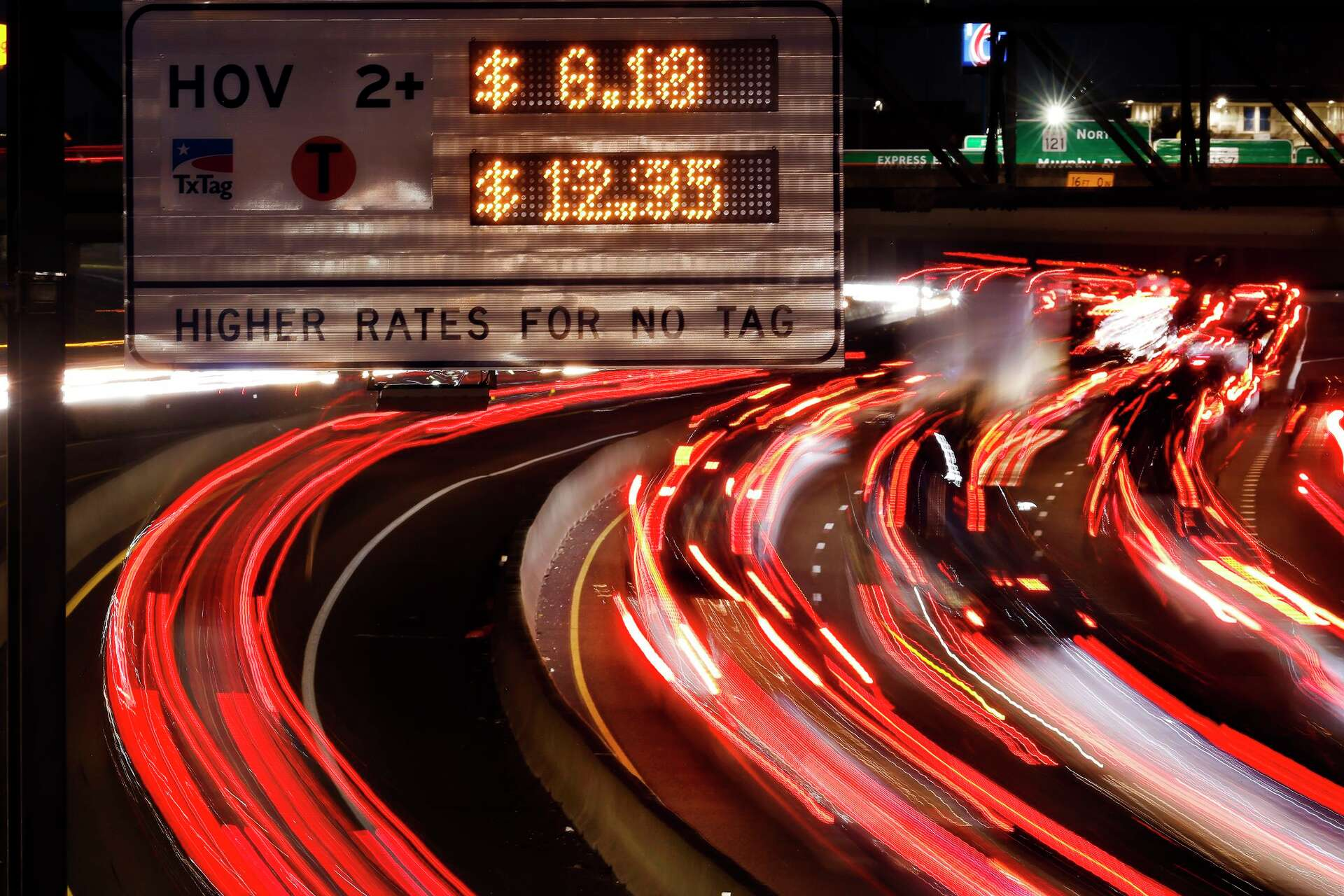
Modern express lanes no longer use flat pricing. Rates rise and fall based on traffic density. The busier the road becomes, the more expensive the toll gets.
On Interstate 95 in Northern Virginia, peak tolls during heavy congestion have exceeded $40 for a single trip. Operators argue the pricing discourages overcrowding and keeps lanes moving near 55 mph.
Drivers see something else. A fast lane turning into premium inventory.
License plate billing costs extra
Many toll roads charge higher rates to drivers without transponders. Using Toll By Plate systems can add 25% to 100% more per trip depending on the region.
Florida’s SunPass and California FasTrak systems both encourage prepaid accounts because processing license plate images manually costs more. Miss a mailed invoice and penalties can multiply quickly.
One unpaid toll sometimes becomes $65.
Private operators need profit
Public toll agencies still dominate much of the United States, but private investment firms increasingly manage toll infrastructure through concession agreements.
The Chicago Skyway lease became famous after the city received $1.83 billion upfront from private investors in 2005. Investors then gained rights to toll revenue for 99 years. Profit expectations influence pricing decisions long after politicians leave office.
That timeline is astonishing.
Electronic systems track movement
Toll roads also collect enormous amounts of travel data. Entry points, exit times, vehicle frequency, commuting habits, and average speeds all flow into transportation databases.
Most agencies say the data improves traffic management and billing accuracy. Civil liberties groups continue raising concerns about long-term storage and third-party access. A modern toll account reveals routines with surprising precision.
You notice patterns fast.
Congestion itself became revenue
Some transportation economists support congestion pricing because it changes driver behavior. Charge more during crowded periods and traffic volume spreads across different hours.
New York City’s congestion pricing framework, though heavily debated, follows this logic. London and Singapore already use versions of it. Drivers entering dense urban areas effectively pay for road scarcity.
The old free-road model weakens each year.
Gas taxes no longer cover enough
Federal and state gas taxes once funded most highway construction. Inflation and fuel efficiency chipped away at that model for decades.
The federal gas tax has stayed at 18.4 cents per gallon since 1993. Meanwhile electric vehicles contribute little or nothing through gasoline purchases. Tolling became one of the few politically workable ways to raise transportation revenue without broad tax hikes.
Drivers pay differently now.
Express lanes target commuters
Many toll systems now focus less on occasional travelers and more on daily commuters with stable incomes. Managed lanes around Atlanta, Miami, Dallas, and Los Angeles market reliability instead of distance.
A commuter spending $14 daily on tolls could burn through more than $3,000 annually. Yet many continue paying because arriving late to work repeatedly costs even more through lost productivity or childcare timing problems.
That pressure feels familiar.
What The Numbers Show
The Pennsylvania Turnpike offers a clear example of how toll revenue stretches beyond pavement repairs. The system carries heavy debt obligations tied partly to statewide transportation funding commitments. Over the years, toll increases became almost routine as financial pressure grew.
Passenger vehicles on some stretches now pay more than double what drivers paid 15 years ago. Trucking companies absorbed even steeper increases, which then filtered into shipping prices and retail costs.
The ripple effect spread quietly.
Another case emerged in Texas. State Highway 130 outside Austin was promoted as a congestion solution and one of the fastest highways in America, with speed limits reaching 85 mph. Traffic projections failed to meet expectations after construction. Revenue fell short. The private consortium behind the project eventually filed for bankruptcy protection in 2016.
The road still operated. Drivers still paid tolls. But the financing assumptions underneath the project collapsed once enough commuters decided the savings were not worth the price.
Toll Tradeoff Checklist
| Factor | Benefit | Cost | Risk |
|---|---|---|---|
| ExpressLane | Faster trip | Peak fees | Price spikes |
| Transponder | Lower tolls | Account setup | Auto reload |
| PlateBilling | No device | Higher rate | Late fines |
| RushTravel | Time saved | Daily spend | Budget creep |
Common Driver Mistakes
Many drivers underestimate annual toll spending because the charges arrive in tiny fragments. A few dollars here, another charge there, then a monthly statement quietly reaches $240.
Another mistake is ignoring account replenishment settings. Some toll systems automatically reload prepaid balances in large chunks once funds run low. Drivers expecting a $15 refill suddenly see $60 withdrawn from checking accounts.
That timing hurts sometimes.
People also forget rental car toll rules. Rental agencies often charge separate administrative fees on top of toll costs, even for small transactions. A single unpaid toll during vacation can later produce a bill exceeding $30.
Some commuters make the opposite mistake and refuse toll roads entirely even when the math favors using them occasionally. Saving 45 minutes before a flight, medical appointment, or hourly contract shift may outweigh the fee.
The context matters more.
FAQ
Why do toll roads exist instead of free highways?
Toll roads often fund construction and maintenance when gas taxes or public budgets cannot fully cover project costs. Some also help manage congestion by adjusting pricing during busy travel periods.
Do toll fees always go back into the same road?
No. Some agencies redirect toll revenue into transit systems, regional transportation projects, debt repayment, or future infrastructure expansion beyond the road itself.
Why are express lane tolls sometimes extremely high?
Dynamic pricing systems raise rates during heavy traffic to keep lanes moving quickly. The goal is to reduce congestion inside the toll lane by discouraging too many drivers from entering.
Can unpaid tolls affect credit?
Yes. Unpaid tolls can lead to penalties, collections, vehicle registration holds, and credit damage if the debt reaches collection agencies.
Are toll transponders worth getting?
Usually yes for frequent drivers. Transponders often reduce toll rates, speed up billing, and lower the chance of missed invoices or added plate-processing charges.
Author's Insight
I used to think toll roads were simple convenience fees. Then I started looking into how these projects are financed and managed over decades. The deeper you go, the less the toll resembles a payment for pavement alone.
For commuters, the smarter question is not “Do I hate tolls?” It is “What am I actually buying this morning?” Sometimes the answer is reliability. Sometimes it is stress reduction. Sometimes it is just avoiding another hour staring at brake lights while the meter keeps running anyway...
Summary
Toll roads charge drivers for much more than road access. The money often supports debt payments, technology systems, maintenance operations, investor returns, and regional transportation budgets. Dynamic pricing, electronic billing, and congestion management turned modern tolling into a complex financial system rather than a simple roadside booth.
Track your annual toll spending closely. Use transponders if you drive regularly. And before paying $18 to skip traffic, decide exactly what those minutes are worth to you.