Car-Sharing Overview
Car-sharing is a model that lets individuals rent vehicles for short periods, often by the hour. Unlike traditional rentals, it targets local trips, daily errands, or occasional commuting. Services like Zipcar and Turo illustrate car-sharing’s range, from city-shared fleets to peer-to-peer bookings. In 2023, over 8 million users across the U.S. relied on car-sharing platforms. This approach trims down costs tied to ownership such as insurance and depreciation. Urban residents often find this model slashes parking fees and maintenance headaches.
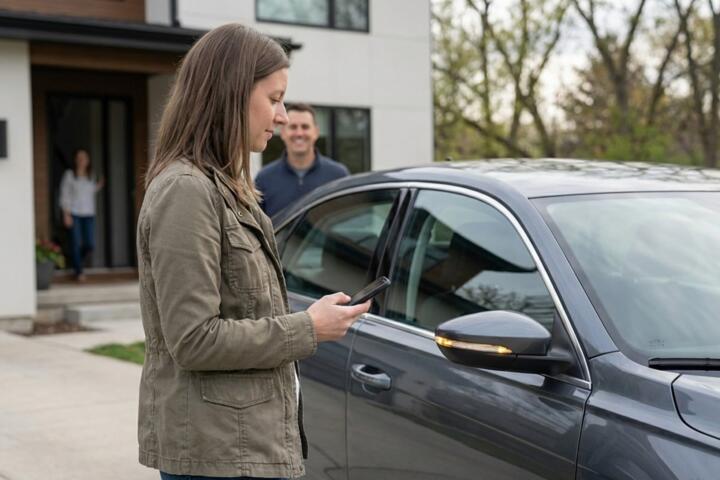
Cars parked on street corners can now be booked via smartphone apps. Charging is typically by the minute or hour, with some memberships offering monthly subscriptions.
Common Challenges
People often confuse car-sharing with ride-hailing, assuming it’s just another taxi alternative. This misunderstanding causes missed opportunities to save money or gain flexibility. Another frequent mistake springs from expecting constant vehicle availability; high demand makes cars scarce during peak hours. Booking apps sometimes lack transparency on fees or damage liabilities. Users unfamiliar with the local insurance terms may unknowingly accept high deductibles. This creates friction and even deters potential participants. Imagine showing up without a car you reserved or facing unexpected charges; frustrations mount fast.
Key Solutions
Choose the Right Service
Select platforms based on your location and needs. In big cities, Zipcar dominates with over 12,000 vehicles. Outside metro areas, peer-to-peer services like Turo offer varied vehicle types. These can drop the average cost to $0.45 per minute versus $0.80 on big networks.
Memberships and Pricing
Consider monthly plans if you use cars frequently. They reduce hourly rates and waive some fees. For infrequent users, pay-as-you-go models avoid unnecessary costs. Track mileage and tolls through integrated apps; some charge separately.
Know the Insurance Details
Most platforms provide insurance, but coverage varies. Turo offers three tiers: basic, standard, and premium. Premium can lower user liability to zero for about $30/day. Zipcar covers liability but you cover damages under $2,500. Review policies carefully—sometimes paperwork or uploaded photos matter.
Inspect Vehicles Carefully
Before leaving, document car condition with photos to prevent disputes. Use app tools designed for reporting dents or scratches immediately. This habit saved me from a $500 claim once—your future self may thank you.
Optimize Booking Times
Avoid peak traffic hours and weekends; rates spike and availability drops. Midweek mornings offer better selections and discounts on some platforms. Planning 24 hours ahead improves chances dramatically.
Leverage App Features
Use apps with GPS drop-off and keyless entry to skip office visits. Some services offer “One-Way” trips, meaning you pick up and drop off at different locations—great for errands or airport shuttles.
Vehicle Types Matter
Select economy cars for cost efficiency; SUVs and luxury models cost 30–50% more. For longer trips, hybrid or electric cars reduce fuel costs but check charging infrastructure first. I once rented a BMW i3 from Turo, enjoyed the quiet ride, but had to recharge twice on a 150-mile journey.
Understand Cancellation Policies
Last-minute cancellations often carry penalties or partial refunds. Some services allow free cancellations 24 hours before pick-up. Always build this into your plans to avoid surprise fees.
Combine With Public Transit
Integrate car-sharing for first/last mile access. Pairing with transit cards or bike shares expands your practical radius while avoiding overreliance on cars.
Real Cases of Success
City X had a parking crunch with 40% lot occupancy at peak. A municipal program introduced car-sharing hubs near transit stops, boosting car availability 70% while reducing personal ownership by 15%. Traffic studies showed a 12% drop in commute vehicle use within one year. This network used Zipcar in collaboration with local transit APIs.
On the consumer side, Sarah, a graphic designer in Chicago, replaced her sole car with a Turo membership. She booked vehicles 8 times monthly, saving roughly $300 in fixed costs. Her annual mileage dropped by 85% after adopting a mixed car-share and e-bike routine. She noted, however, occasional frustrations with last-minute model changes on the app, which, frankly, most users dislike.
Service Features Compared
| Feature | Zipcar | Turo | Getaround |
|---|---|---|---|
| Booking | App & Website | App & Website | App & Website |
| Insurance | Liability + Damage | Tiered Plans | Included |
| Vehicle Types | Mostly Economics | Wide Range | Economics + Luxury |
| Hourly Rate | $7-$10 | $0.30-$1.00 | $5-$12 |
| Key Pickup | Keyless Entry | Owner Meet | Keyless Entry |
| Cancellation | Free 24h prior | Varies | Free 24h prior |
Critical Errors
Ignoring app updates risks missing vital features like vehicle availability maps. Overlooking insurance limits guarantees costly surprises. Skipping vehicle inspections before departure invites liability for pre-existing damage. Assuming always-available cars causes plan failures; bookings can fill up fast. Some users neglect to cancel early, incurring unfair fees. Others assume all brands offer the same car types despite geographic variations. Also, failing to check fuel or charge levels prolongs trips unexpectedly. Awareness of these errors saves money and headaches.
FAQ
What differs car-sharing from traditional rental?
Car-sharing targets short-term, local use often by the hour, with self-service access. Traditional rentals favor longer periods and require in-person pick-ups.
Can I share a car without owning one?
Yes, car-sharing removes ownership need, letting users pay only for driving time and distance.
What insurance does car-sharing include?
Most platforms bundle liability coverage, but users often bear damage costs or can buy higher protection levels.
Are all car types available?
Vehicle options vary widely by platform and city, from basic compacts to luxury and electric cars.
How do I avoid hidden fees?
Read terms on mileage, fuel, cancellations, and damage carefully. Use apps that show all fees upfront.
Author's Insight
After years using multiple car-sharing services, I grew skeptical about claims of constant availability—demand spikes make spots tight. Detailed insurance review saved me from steep out-of-pocket expenses once, a practical reminder not to skim the fine print. I find hybrid usage, combining car-share with transit, reduces commuting stress and cost. Apps need better real-time update features; the delay once confused me about vehicle status. Personal diligence made car-sharing more than a convenience: it became a flexible transport ally.
Summary
Car-sharing cuts down ownership costs, parking issues, and improves urban mobility options. Choosing the right service means evaluating availability, pricing, insurance, and vehicle types. Avoid overlooking policies or vehicle condition checks to minimize fees. Planning trips outside peak times increases options and affordability. Layered with public transport, it creates a dynamic, cost-efficient commute system. Try booking early, inspect cars fully, and understand fees to maximize benefits.