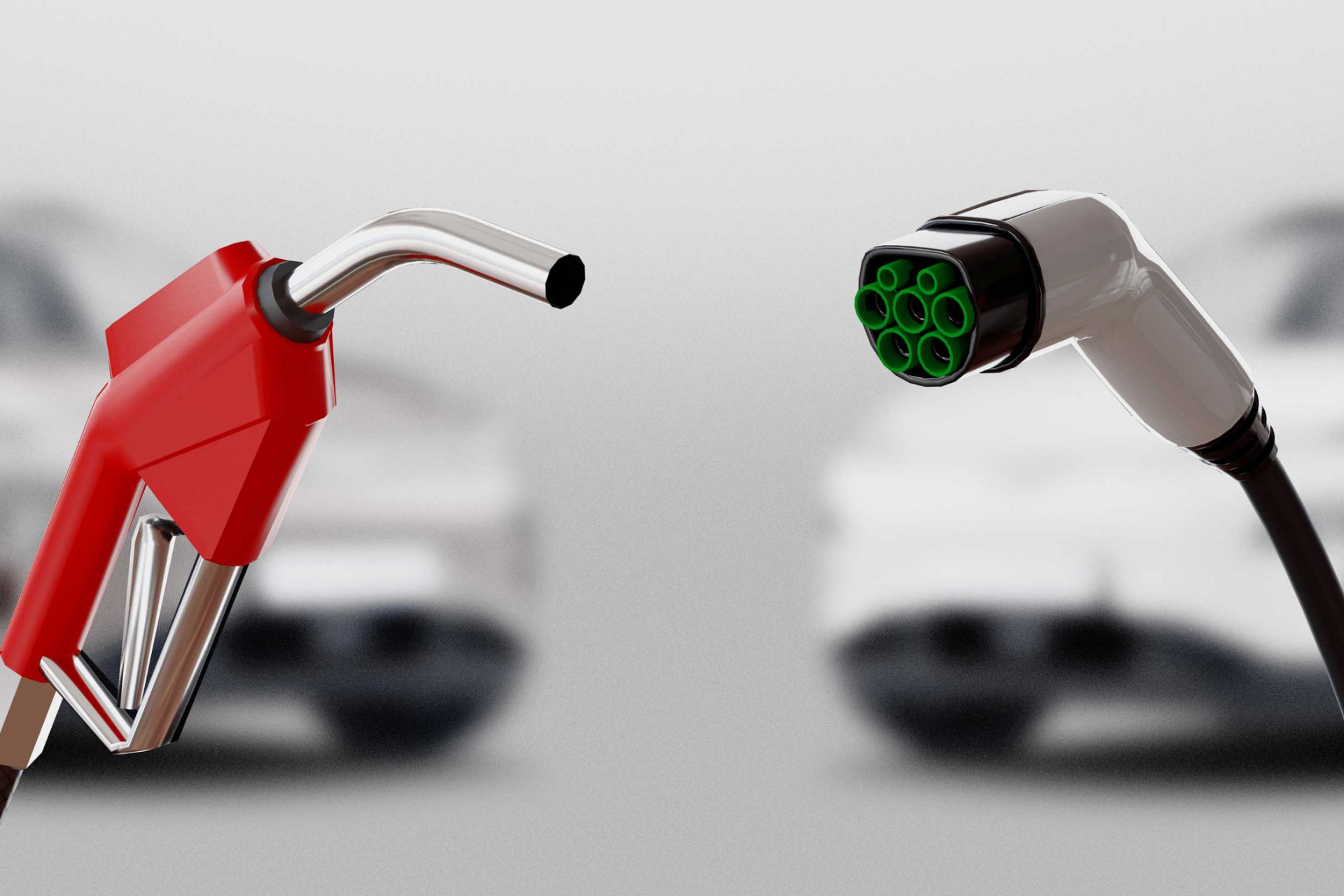
The Cost Debate Changed
Five years ago, electric cars were sold as futuristic machines that would slash fuel bills overnight. Petrol cars, meanwhile, were painted as outdated and expensive to run. Real ownership data tells a less dramatic story.
An electric vehicle can cost less to fuel, less to service, and more to insure. A petrol car usually costs less upfront, refuels in 4 minutes, and loses less value in some markets. The winner depends on how far you drive and how you charge.
That last part matters most.
In the United States, the average EV driver spends roughly 4 to 5 cents per mile on electricity when charging at home, according to Department of Energy estimates. A petrol car averaging 30 mpg with gasoline at $3.80 per gallon lands closer to 12 or 13 cents per mile.
But charging at public fast chargers changes the math fast. Some DC fast charging stations now cost as much as $0.56 per kWh during peak hours. At those rates, an electric SUV may cost nearly the same to power as a hybrid petrol vehicle.
The conversation also shifted because EV prices changed. Tesla cut prices repeatedly during 2023 and 2024. Chinese brands like BYD pushed lower-cost electric models into Europe and Asia. Used EV prices dropped sharply too, partly because early buyers rushed into newer battery models with longer range.
Where Drivers Misjudge
A lot of buyers compare only fuel costs. That is the easiest number to advertise, so dealerships lean on it heavily. Ownership costs stretch much further than charging versus petrol.
Insurance catches many people off guard. EV premiums in the U.S. were roughly 20% higher on average in 2025, according to Insurify data. Battery packs cost a fortune to repair, and some insurers write off damaged EVs after moderate collisions because labor and parts prices stay high.
Repairs work differently too. Electric cars have fewer moving parts, no oil changes, and reduced brake wear because of regenerative braking. Yet battery cooling systems, software modules, and sensor calibration can become expensive outside warranty periods.
Depreciation got ugly recently.
Some used EVs lost value much faster than expected after manufacturers slashed new-car pricing. Tesla Model Y resale values dropped sharply in several markets during 2024. Petrol cars held steadier because supply remained tighter and buyers understood long-term maintenance better.
Drivers also underestimate home charging convenience. Waking up each morning with a full battery feels fantastic. Unless you live in an apartment building with no charger access. Then public charging turns into another weekly errand, and not a pleasant one.
Cold weather changes ownership too. EV range can drop 15% to 30% during freezing temperatures because batteries operate less efficiently and cabin heating pulls extra energy. Petrol cars lose efficiency in winter as well, though usually not as dramatically.
How The Numbers Break Down
Fuel versus electricity
Electricity usually wins on raw running cost. Charge an EV overnight at home in Texas or Florida and you may spend less than $700 yearly covering 12,000 miles. A comparable petrol crossover could burn through $1,800 in fuel over the same distance.
The gap shrinks with public charging. Drivers relying mostly on rapid chargers sometimes spend only 15% to 20% less than petrol owners, not the dramatic 70% savings from advertisements.
Cheap home charging changes everything.
Maintenance bills over time
Petrol engines need oil changes, spark plugs, transmission servicing, timing components, exhaust repairs, and more frequent brake replacements. AAA estimated maintenance and repair costs for petrol vehicles at roughly 9.8 cents per mile in recent studies.
EVs cut many of those expenses. Tesla recommends basic tire rotation and cabin filter replacement far more often than major mechanical servicing. Nissan Leaf owners regularly report years with almost no workshop visits outside tires and brakes.
Battery replacement remains the fear hanging over the market, though most modern packs now carry warranties lasting 8 years or 100,000 miles.
Insurance surprises
Insurance pricing depends heavily on region and model. A Ford F-150 Lightning may cost hundreds more annually to insure than a petrol F-150 because repair networks remain smaller and specialized parts take longer to source.
Luxury EVs get hit hardest. Rivian, Porsche Taycan, and Tesla Model S owners often face premiums exceeding $2,500 per year in some U.S. states.
The sticker shock feels real.
Home charging installation
People forget this cost constantly. Installing a Level 2 charger at home can range from $500 to more than $2,000 depending on wiring, panel upgrades, and garage layout.
Older homes sometimes need electrical work before supporting higher charging loads. A suburban homeowner with a garage usually solves this once and moves on. Apartment renters often cannot.
That difference divides EV ownership experiences more than battery range does.
Tax credits and incentives
Government incentives still shape the market heavily. The U.S. federal EV tax credit can reduce purchase prices by up to $7,500 for qualifying vehicles. Some European countries offer lower registration taxes, parking discounts, or road-tax exemptions.
Skip the incentives and the numbers change fast. A petrol Toyota Corolla may still beat many electric sedans on total ownership cost over 5 years if purchase prices stay thousands apart.
Depreciation patterns
Depreciation became the hidden battlefield. EV technology evolves quickly, so older models lose appeal faster once a new battery platform arrives with another 80 miles of range.
Petrol cars move slower technologically. A 5-year-old Honda Civic still feels familiar to buyers. A 5-year-old EV with 180 miles of range suddenly looks ancient beside newer 350-mile models.
That gap affects resale values hard.
Long-distance driving costs
Petrol cars still dominate convenience on long road trips. Filling a tank takes minutes. Charging an EV on a highway route may add 25 to 45 minutes every few hundred miles depending on charger speed and weather.
Tesla’s Supercharger network reduced some of that frustration. Electrify America and Ionity improved coverage too. Yet busy holiday travel periods still produce charger queues in parts of California, Germany, and the UK.
Frequent road trippers notice.
Real Ownership Stories
One comparison from the UK involved a Hyundai Kona Electric and a petrol Volkswagen Tiguan driven roughly 15,000 miles yearly. The Kona owner charged mostly at home during off-peak hours and spent around £900 annually on electricity. The Tiguan driver spent more than £2,400 on petrol over the same period.
But the Kona also carried higher insurance costs and steeper first-year depreciation. Over 4 years, the EV still came out ahead by roughly £3,000 total — not the massive savings many buyers expect after reading marketing campaigns.
Another case came from California. A rideshare driver using a Tesla Model 3 logged nearly 40,000 miles annually. Fuel savings versus a Toyota Camry hybrid exceeded $4,000 yearly because of heavy mileage and cheap overnight charging.
High-mileage drivers benefit most.
That same math falls apart for someone driving 5,000 miles yearly from an apartment without home charging. In that situation, a fuel-efficient petrol hybrid often remains cheaper and simpler.
Cost Snapshot
| Factor | EV | Petrol | Winner |
|---|---|---|---|
| Fuel | Low | Higher | EV |
| Service | Lower | Higher | EV |
| Insurance | Higher | Lower | Petrol |
| Trips | Slower | Fast | Petrol |
Common Buying Mistakes
A major mistake is buying based on ideology instead of usage. Some drivers purchase EVs because they love the technology, then discover they hate public charging routines. Others refuse EVs entirely despite commuting 80 miles daily and having a private garage where charging would be effortless.
Match the vehicle to your life first.
Another bad move is ignoring electricity pricing structures. Charging during peak evening hours in parts of California or Germany can double energy costs compared with overnight rates.
People also underestimate tire wear. Electric vehicles are heavy because of battery packs and deliver instant torque. Many chew through tires faster than comparable petrol cars.
Then there is resale panic. Buyers who plan to switch cars every 2 or 3 years should study depreciation trends closely before assuming an EV will save money overall.
Some assumptions aged badly.
FAQ
Are electric cars always cheaper to run?
No. They usually cost less to fuel and maintain, but higher insurance premiums, charger installation, and depreciation can offset some savings.
How much can home charging save?
Drivers charging overnight at home often cut energy costs by 50% or more compared with petrol spending, depending on local electricity and fuel prices.
Do EV batteries need replacing often?
Most modern EV batteries last far longer than early critics predicted. Many retain more than 70% capacity after 8 to 10 years, though replacement costs remain expensive outside warranty coverage.
Are hybrids cheaper than full EVs?
Sometimes yes. Hybrids combine strong fuel economy with fast refueling and lower purchase prices, which can make them cheaper for low-mileage drivers.
Do petrol cars still make sense?
Absolutely. Long-distance drivers, apartment residents without charging access, and buyers prioritizing lower upfront costs may still find petrol or hybrid vehicles more practical.
Author's Insight
I think the EV versus petrol argument became strangely tribal over the last few years. Real ownership rarely works that way. The happiest EV owners I know charge at home, drive a lot, and rarely take long road trips. The most frustrated ones depend on public chargers and expected instant savings.
If I were buying today, I would calculate yearly mileage before anything else. The numbers reveal more than the marketing ever will.
Summary
Electric cars usually win on fuel and servicing costs. Petrol cars still hold advantages in convenience, insurance pricing, and predictable resale patterns. Drivers with home charging and high annual mileage often save the most with EVs, while lower-mileage owners may wait years before seeing meaningful financial gains.
Ignore slogans and run the numbers yourself. The cheapest car to own is rarely the one with the loudest advertising campaign.