Why Cities Drew Lines
Low-emission zones started as a public health response, not a lifestyle trend. Cities with dense traffic and older diesel vehicles saw nitrogen dioxide levels stay above legal limits year after year. London, Paris, Berlin, Milan, and dozens of other cities faced pressure from regulators and environmental groups after pollution studies linked vehicle emissions to asthma, heart disease, and early deaths.
The numbers pushed governments hard. The European Environment Agency estimated that air pollution contributes to more than 250,000 premature deaths annually across Europe. Diesel engines became the main target because older models release far more nitrogen oxides than modern gasoline hybrids or electric vehicles.
That pressure changed policy fast.
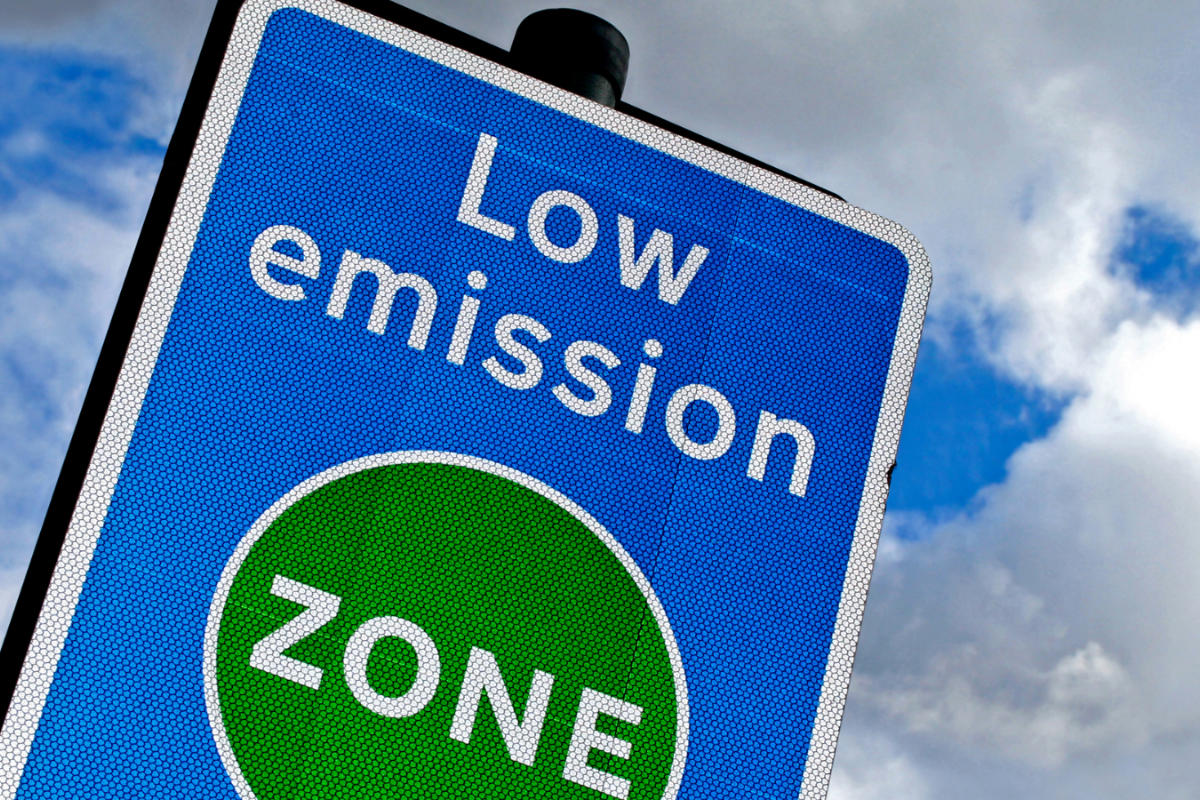
A low-emission zone, often shortened to LEZ, limits or charges access for vehicles that fail certain emissions standards. Some cities block older cars entirely. Others charge daily fees. In London’s Ultra Low Emission Zone, for example, non-compliant vehicles can face charges of £12.50 per day, while larger commercial vehicles may owe far more.
Drivers usually discover the rules the hard way. A camera flashes at an intersection, a letter arrives 14 days later, and suddenly a quick city-center trip costs €95...
Where Drivers Get Caught
The confusion starts with emissions standards themselves. Euro 4, Euro 5, Euro 6 — most people vaguely recognize the labels but do not know what they mean for their own cars. A diesel registered in 2014 may still fail a stricter city rule introduced in 2025. Meanwhile, a smaller gasoline hatchback from 2008 could remain compliant.
That mismatch frustrates drivers because age alone does not tell the full story. Fuel type matters. Engine certification matters. Even registration country can matter in cross-border travel.
The signs do not help much.
Some low-emission zones use physical stickers. France uses Crit'Air decals with six classifications. Germany uses colored Umweltplakette stickers. Other cities rely entirely on automated plate recognition. Tourists often assume rental cars are automatically registered for compliance. Sometimes they are. Sometimes not.
Small business owners feel the squeeze first. A florist with two diesel vans may suddenly face €20 to €40 daily access costs inside urban centers. Replacing those vehicles can cost €70,000 or more. Large logistics firms absorb those expenses more easily. Independent tradespeople usually cannot.
Then there is the timing issue. Many cities announce stricter phases years in advance, but drivers ignore the news until enforcement starts. That works right up until the first fine lands in the mailbox.
How Drivers Adapt
Check your emissions class
Do not guess. Use the official government or city lookup tools tied to your license plate or VIN number. The UK government, German environmental agencies, and French transport portals all offer online checks.
A 10-minute search can prevent hundreds in penalties. Some drivers assume “modern enough” means compliant. That assumption fails constantly with diesel vehicles produced between 2009 and 2015.
Paperwork matters here.
Understand local rules
Not every zone works the same way. London charges daily access fees. Paris uses restrictions tied to pollution levels and Crit'Air categories. Milan combines congestion pricing with emissions rules. Brussels tightened standards again in January 2025.
Read the city policy directly instead of relying on forums or old Reddit posts. Rules change often, and outdated advice spreads faster than corrections.
One missed update hurts.
Buy the right sticker early
France, Germany, and several Austrian regions still rely on windshield stickers for enforcement. Drivers crossing borders for work or vacations often discover this too late.
A French Crit'Air sticker costs under €5 if ordered through the official government site. Scam sites charge €25 or more for the same decal. Delivery may take 2 to 3 weeks during busy travel seasons.
Order before road trips, not after.
Use park-and-ride systems
Many commuters avoid fees entirely by parking outside restricted zones and taking trains or trams into city centers. Munich, Amsterdam, and Copenhagen expanded park-and-ride networks partly because of low-emission enforcement.
The math often works surprisingly well. Paying €8 for suburban parking and a transit ticket beats daily LEZ charges plus expensive central parking.
You save fuel too.
Watch diesel resale values
Older diesel cars lost value sharply in several European markets after stricter low-emission policies appeared. Buyers started avoiding vehicles likely to face future restrictions.
A Euro 5 diesel that sold comfortably in 2018 may now sit on dealer lots for weeks. Cities keep signaling tighter rules ahead, and secondhand buyers notice.
Delay hurts resale prices.
Check delivery routes carefully
Courier drivers, contractors, and service technicians often enter multiple regulated areas in one day. Navigation apps do not always account for low-emission rules automatically.
Google Maps added some emissions-zone support in Europe, but coverage remains inconsistent. Fleet managers increasingly use routing software tied directly to LEZ databases.
A wrong turn can trigger automated fines even if the stop lasted 4 minutes.
Look at hybrid timing
Full electric vehicles still cost too much for many households. Fair enough. But hybrids became a transition strategy for drivers who need city access without committing fully to EV charging infrastructure.
Toyota Prius models, hybrid Hyundai crossovers, and plug-in versions of the Volvo XC60 gained popularity partly because they remain compliant across most current European low-emission frameworks.
The fuel savings help too.
Follow upcoming deadlines
Cities rarely stop tightening standards once zones exist. Amsterdam plans stricter freight rules later this decade. Oxford expanded zero-emission areas gradually. Madrid adjusted access rules several times in under 4 years.
Drivers who monitor future phases early usually make cheaper decisions. Waiting until restrictions activate often means rushed vehicle purchases and weak trade-in offers.
The timeline sneaks up fast.
What Happened In Cities
London remains the clearest example of how aggressive low-emission policies reshape driving behavior. After expanding the Ultra Low Emission Zone in 2023, Transport for London reported millions fewer non-compliant vehicle trips within months. Older diesel traffic dropped sharply in outer boroughs where many residents initially opposed the expansion.
The backlash was loud. Some drivers argued the rules punished lower-income households that could not afford newer cars. Small business owners complained about fleet replacement costs. Yet air quality measurements in several monitoring corridors improved compared with pre-expansion levels.
The politics stayed messy.
Paris faced similar tensions. The city restricted older diesel vehicles progressively while expanding bike infrastructure and transit access. Residents who relied heavily on cars pushed back hard during early enforcement phases, especially workers commuting from outer suburbs with weaker train connections.
Meanwhile, German cities like Berlin and Stuttgart showed a different pattern. Drivers adapted gradually once sticker systems became familiar. Vehicle purchasing trends shifted over time rather than overnight.
Quick Zone Comparison
| City | System | Penalty | Focus |
|---|---|---|---|
| London | Daily fee | £90+ | Diesel cuts |
| Paris | Sticker | €68+ | CritAir |
| Berlin | Sticker | €100+ | Diesel limit |
| Milan | Fee zone | €80+ | Traffic mix |
Common Driver Mistakes
A lot of drivers assume tourists are exempt. They are not. Rental vehicles, foreign plates, and temporary registrations can still trigger penalties if local registration steps were skipped.
Another mistake is relying entirely on dealership promises. Sales staff sometimes claim a vehicle is “future-proof” for city access. No dealer controls future regulations. A Euro 6 diesel acceptable today may face restrictions in 4 or 5 years.
That risk gets ignored.
Drivers also forget commercial rules can differ from passenger-car standards. Vans, minibuses, and delivery trucks often face tougher restrictions or higher fees. One family SUV may enter freely while a nearly identical diesel cargo van gets charged.
Waiting until enforcement starts also raises costs. Trade-in demand spikes before major policy deadlines. Vehicle inventories tighten. Financing rates shift. People panic-buy under pressure and end up with choices they regret later.
The same thing happened with diesel taxes years ago.
FAQ
What is a low-emission zone?
A low-emission zone is an area where vehicles must meet certain pollution standards or pay fees to enter. Some cities ban older vehicles entirely during certain hours or pollution periods.
Do electric cars avoid LEZ charges?
Usually yes, though some cities still charge congestion fees or registration costs. Rules vary by location and vehicle category.
How do I know if my car qualifies?
Check the emissions standard tied to your vehicle registration or VIN number through official government databases. Fuel type and certification matter more than age alone.
Can tourists get fined in low-emission zones?
Yes. Camera systems track foreign plates in many cities. Rental cars and private vehicles from abroad still need to comply with local rules.
Will more cities create these zones?
Almost certainly. European cities continue expanding restrictions as climate and air-quality policies tighten. Several North American cities are studying similar systems now.
Author's Insight
I have driven in enough European cities to know the real frustration is not usually the fee itself. It is the uncertainty. Drivers want clear rules, visible signage, and systems that work the same way from one city to the next. Right now, every country seems to have built its own version.
If you drive regularly into urban centers, I would start planning around future restrictions now instead of reacting after enforcement expands. The people who adjust gradually usually spend less money and sleep better during policy shifts...
Summary
Low-emission zones are changing how people drive, buy vehicles, and move through cities. Older diesel vehicles face the biggest pressure, while hybrids and compliant gasoline models hold their value better in regulated markets. Drivers who understand local rules, monitor deadlines, and plan upgrades early avoid the worst financial surprises.
Do not wait for the fine letter. Check your vehicle classification now, especially before summer travel or business trips into major city centers.